
Apple’s $599 MacBook Neo: specs, trade‑offs, and who should buy it
Apple debuts the $599 MacBook Neo: A18 Pro chip, colorful design, Apple Intelligence, and March 11 availability—here’s what’s included and what’s missing.
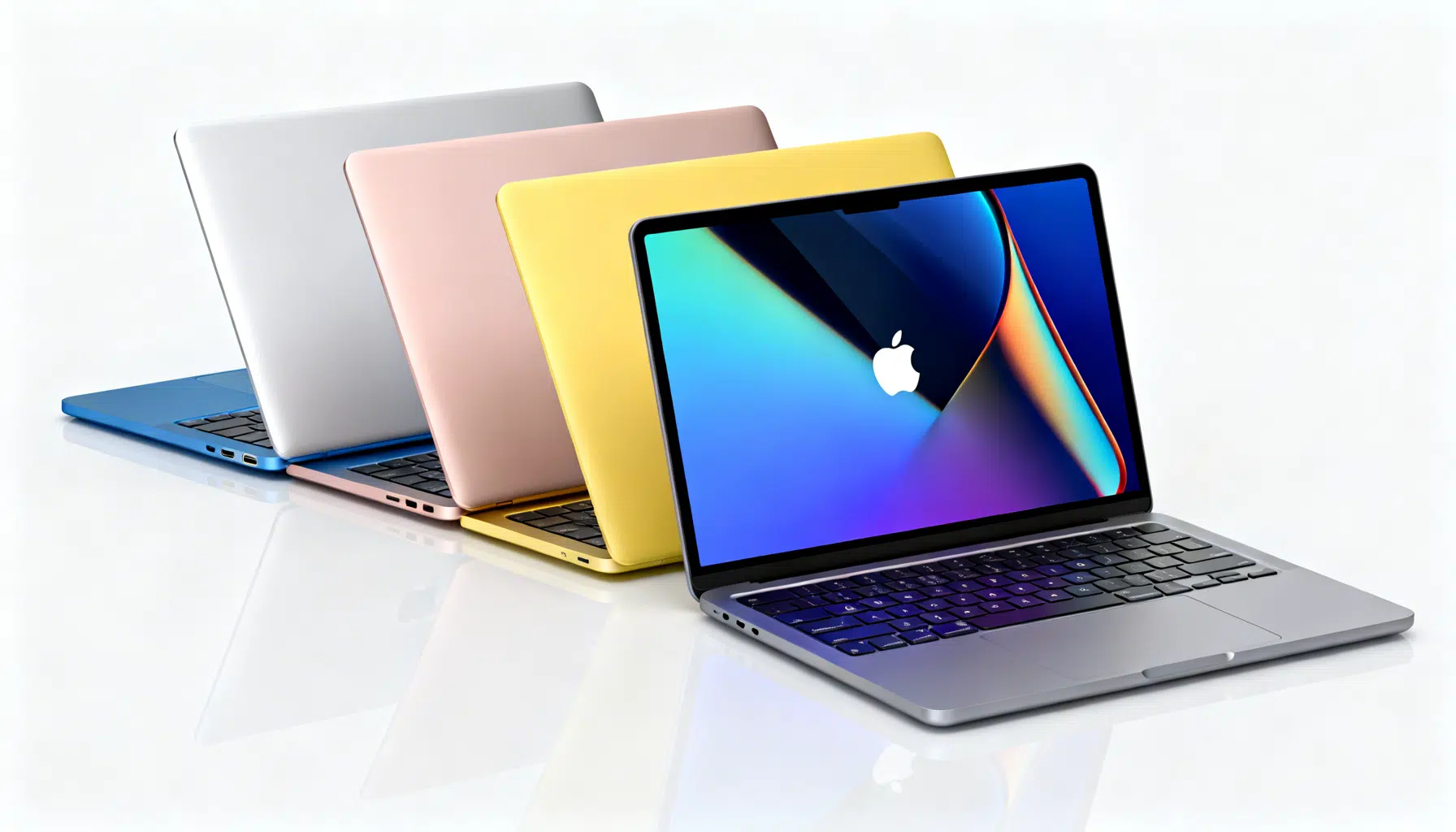
Apple’s $599 MacBook Neo arrives: what it is, what it isn’t, and who it’s for
Apple has launched the MacBook Neo, a new entry-level Mac notebook that starts at $599 in the U.S. and $499 with education pricing. Pre-orders are open now, with retail availability beginning Wednesday, March 11, 2026. The Neo debuts in four colors—Silver, Blush, Citrus, and Indigo—and is positioned below the MacBook Air as Apple’s most affordable laptop yet. (apple.com )
Key specs at a glance
- Chip: Apple A18 Pro with 6‑core CPU (2 performance + 4 efficiency), 5‑core GPU, 16‑core Neural Engine; 60 GB/s memory bandwidth
- Memory/Storage: 8 GB unified memory; 256 GB or 512 GB SSD
- Display: 13.0‑inch Liquid Retina (IPS) at 2408 × 1506, 219 ppi, up to 500 nits, 1B colors (sRGB)
- Battery: Up to 16 hours video streaming; up to 11 hours wireless web; 36.5‑Wh battery; 20 W USB‑C power adapter in the box (U.S.)
- Connectivity: Wi‑Fi 6E, Bluetooth 6
- Ports: 2 × USB‑C (one USB 3 up to 10 Gb/s with DisplayPort 1.4; one USB 2 up to 480 Mb/s), 3.5 mm headphone jack; supports one external display up to 4K/60 Hz via the USB 3 port
- Size/Weight: 11.71 × 8.12 × 0.50 in; 2.7 lb These details come from Apple’s official tech specs. Note the single 4K/60 external display limit and the asymmetric USB‑C speeds. (apple.com )
What’s included—and what Apple cut to hit $599
The Neo ships with macOS Tahoe and Apple Intelligence on board, plus the expected Mac integration features (Handoff, iPhone Mirroring, Messages, AirDrop, and more). Apple is also touting performance claims of “up to 50% faster” in everyday tasks like web browsing versus a bestselling Intel Core Ultra 5 PC, and “up to 3× faster” on certain on‑device AI workloads—both based on Apple’s internal tests. Treat these as vendor benchmarks until independent reviews land. (apple.com )
To reach its aggressive price, Apple trimmed several niceties:
- No MagSafe charging; charging is via USB‑C.
- Only 8 GB of unified memory with no upgrade option.
- The base $599 model lacks Touch ID; the $699/512 GB configuration adds it.
- Keyboard lacks backlighting; the trackpad uses a mechanical mechanism rather than Apple’s haptic Force Touch system.
- Display targets sRGB (not P3), no True Tone or ProMotion, and thicker bezels; Neo drives only a single external display. These trade‑offs are reflected across Apple’s materials and early hands‑on coverage. (wired.com )
How it fits in Apple’s lineup
The Neo creates a clearer price and capability ladder: Neo at $599 ($499 EDU), MacBook Air (now starting at $1,099 with 16 GB RAM and 512 GB storage), and MacBook Pro above that on M5 Pro/Max. For students, first‑time Mac buyers, and institutions standardizing on macOS, the Neo undercuts many Windows and Chromebook rivals while keeping macOS, Apple’s build quality, and Apple Intelligence support. (wired.com )
Early context and timeline
Hints of the Neo surfaced days before launch via a fleeting “MacBook Neo” regulatory listing, quickly followed by Apple’s March 4 announcement confirming the model, price, and ship date. Apple frames the Neo as making “the magic of the Mac” accessible to millions at a breakthrough price. (techspot.com )
Performance expectations
The A18 Pro brings iPhone‑class silicon to a Mac for the first time. Paired with an efficient 36.5‑Wh battery, Apple quotes up to 16 hours of video streaming and 11 hours of wireless web. The media engine supports H.264, HEVC, ProRes/ProRes RAW, plus AV1 decode. Expect smooth office work, web, communications, streaming, and light creative tasks; the single external display limit, 8 GB memory ceiling, and USB‑C asymmetry define the Neo’s performance envelope. (apple.com )
Hands‑on takeaways from the first wave
Early reporting highlights a solid aluminum build in four subdued finishes and confirms several cost‑savers: no keyboard backlight, mechanical trackpad, no MagSafe, and the Touch ID upsell tied to the 512 GB model. Coverage also notes that while the screen is bright and sharp for the price, it’s sRGB‑only and capped at 60 Hz. (wired.com )
Buying advice: who should get Neo—and who should skip it
- Get the Neo if you need an inexpensive Mac for school, everyday productivity, communications, and streaming, and you value Apple’s ecosystem and on‑device AI features over raw I/O bandwidth or multi‑display setups. The $499 EDU price is compelling for students and schools. (apple.com )
- Look to the MacBook Air if you need more memory headroom, Thunderbolt, better display quality, longer battery life, and MagSafe—there’s a reason the Air remains the mainstream choice. (wired.com )
- Creators or pros should stay with the Air or Pro lines for higher performance ceilings, broader external display support, and more robust port configurations.
Pricing and availability
- U.S. retail: $599 (256 GB) and $699 (512 GB with Touch ID)
- U.S. education store: from $499 (eligibility applies)
- Pre‑orders: now
- In‑store and shipping: begins Wednesday, March 11, 2026 These details are confirmed by Apple and corroborated by major outlets. (apple.com )
Bottom line
MacBook Neo is Apple’s clearest play yet for budget buyers and education: a colorful, genuinely low‑cost Mac that keeps macOS and Apple Intelligence intact while cutting just enough hardware to hit $599. If you understand the trade‑offs—and they’re significant for power users—the Neo could be the “good enough” Mac many have been waiting for. (apple.com )
Related Posts
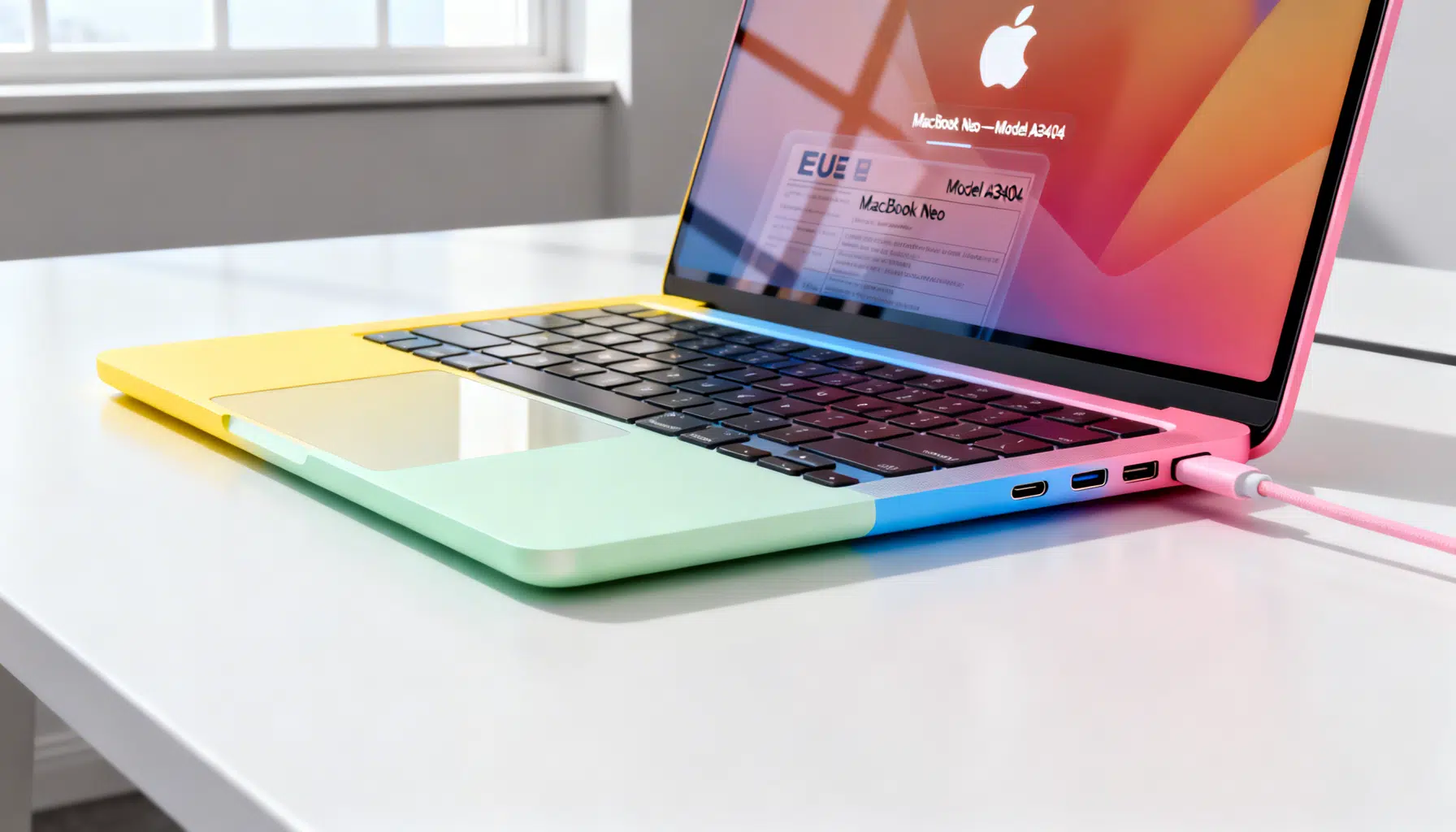
Apple’s ‘MacBook Neo’ leak points to a budget MacBook with iPhone‑class chip, possibly debuting today
Apple’s site briefly named a “MacBook Neo,” hinting at a budget MacBook with an iPhone-class chip. Here’s what leaked and what to watch for today.
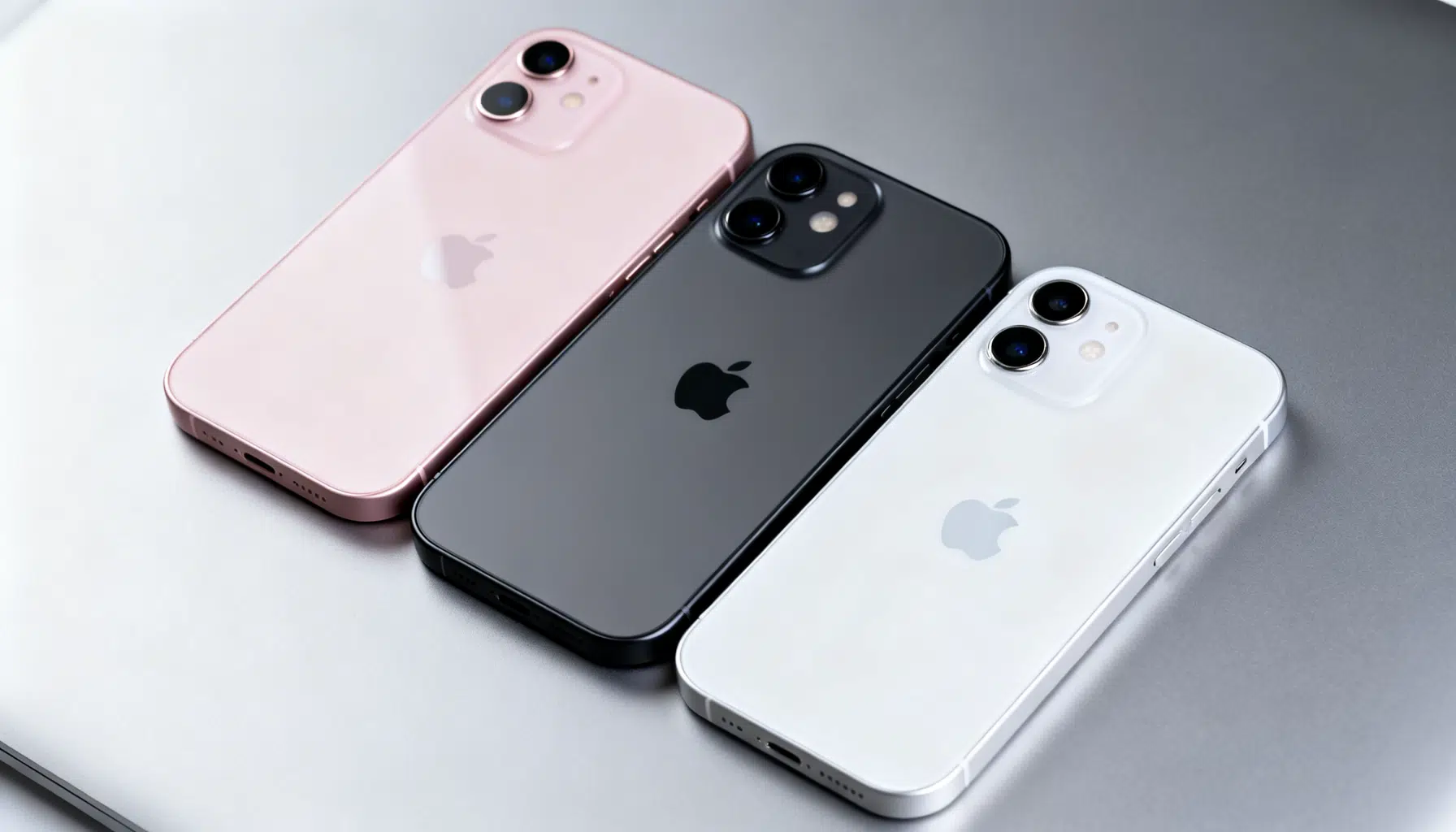
Apple’s iPhone 17e lands at $599 with MagSafe, A19, and 256GB base: preorders March 4
Apple unveils iPhone 17e at $599 with A19, MagSafe, 48MP camera, and 256GB base storage. Preorders start March 4; on sale March 11.

Smartphones 2026: Agentic AI arrives with Galaxy S26, Pixel 10’s Gemini, and Apple’s new iPhone 17e
Galaxy S26, Pixel 10’s new Gemini powers, and Apple’s iPhone 17e make agentic AI the defining smartphone story of March 2026.