
Laptops in 2026: AI power soars, prices pinch, and dual‑screen designs go mainstream
AI-first laptops are surging in 2026, from dual‑screen OLEDs to 80‑TOPS NPUs—while memory price spikes threaten budget PCs. Here’s what matters now.
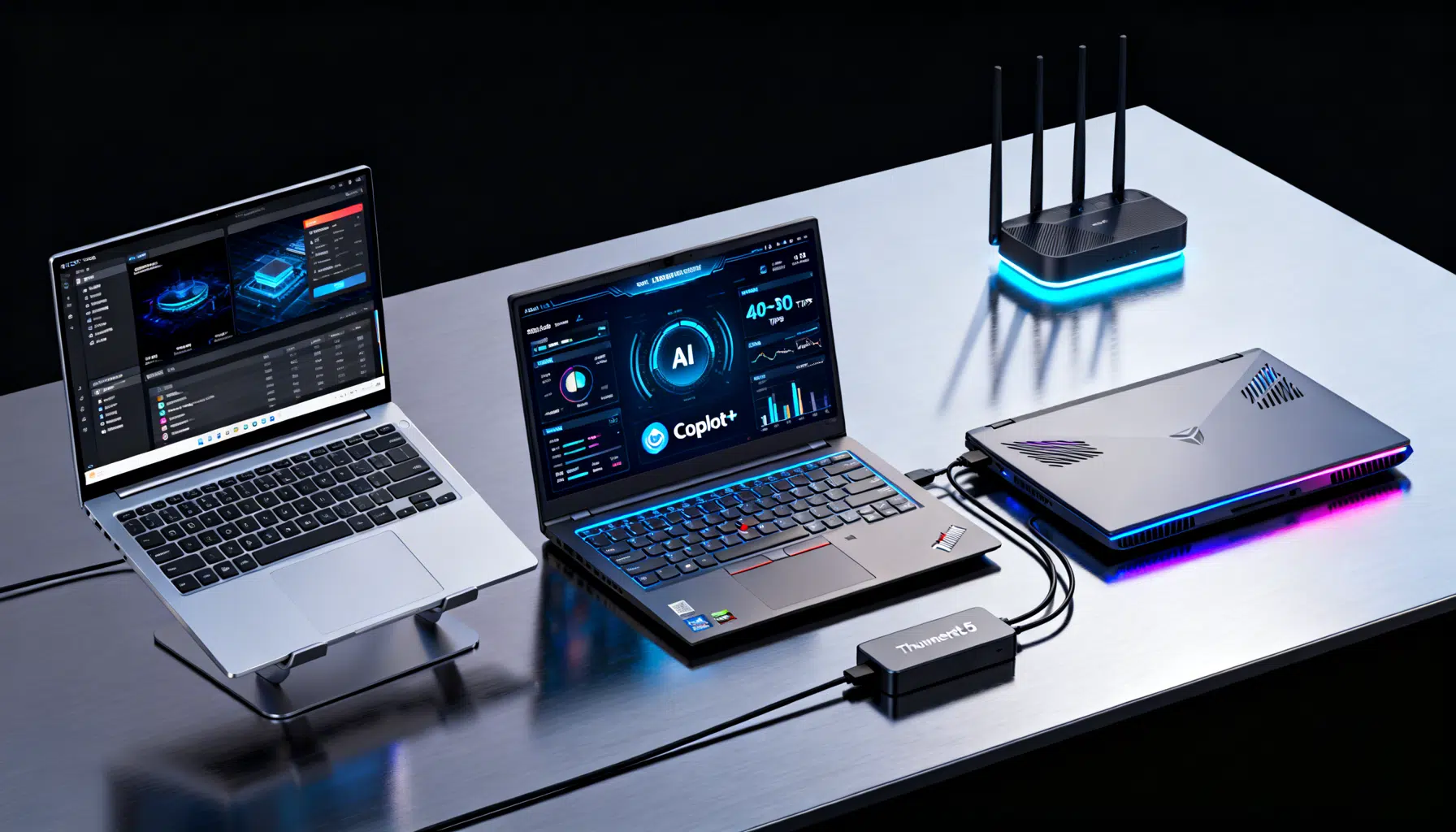
The laptop story in March 2026: AI-first designs surge, while memory costs squeeze the market
From CES in January to Mobile World Congress just days ago, 2026 has already reshaped what a “laptop” means. The year’s defining theme is clear: AI-first hardware is now the baseline, not the bonus—and it’s arriving in increasingly bold form factors. But a parallel story is unfolding, too, as a spike in memory and storage prices threatens to push entry-level laptops out of reach for many buyers. (blogs.windows.com )
Copilot+ PCs set the bar: 40+ TOPS or bust
Microsoft’s Copilot+ PC program formalized what counts as an “AI PC”: a system with an NPU capable of at least 40 TOPS, enabling on-device features without cloud fallback. That requirement, first announced in 2024, now guides virtually every Windows laptop roadmap. (blogs.microsoft.com )
Silicon suppliers have answered in kind:
- Intel’s Lunar Lake mobile platform delivers an NPU rated around 45–48 TOPS—enough for Copilot+—and more than 100 TOPS when you include GPU and CPU contributions. (anandtech.com )
- AMD is rolling out new Ryzen AI families; enterprise-focused Ryzen AI PRO 400 parts and consumer “Gorgon Point” updates push NPUs toward the 50–60 TOPS range. High-wattage “Strix Halo/AI Max+” designs further target workstation-class laptops. (windowscentral.com )
- Qualcomm’s Windows-on-Arm push continues beyond Snapdragon X Elite (45 TOPS NPU) to newer X2 Elite variants that double NPU throughput to a quoted 80 TOPS on some SKUs. (pcworld.com )
Bottom line: if you’re buying a Windows laptop in 2026 to use the newest AI features offline, check the NPU spec first—40 TOPS is the minimum for Copilot+ functionality today. (microsoft.com )
CES 2026: Dual‑screen OLEDs and thinner, lighter flagships
At CES 2026, PC makers paired AI-first chips with bolder hardware. ASUS pushed its dual‑display concept into gaming with the ROG Zephyrus Duo—the first 16‑inch dual‑screen OLED gaming laptop—while Dell, HP, Lenovo and others refreshed ultra‑portables, workstations and creator rigs with next‑gen CPUs/NPUs. (blogs.windows.com )
Thunderbolt 5 and Wi‑Fi 7 also crept further into premium designs. Accessory makers are already shipping Thunderbolt 5 docks, and vendors increasingly standardize Wi‑Fi 7 across 2026 flagships. Early Wi‑Fi 8 silicon even made a cameo at the show—still years from a finalized spec, but a telling peek at what’s next. (techradar.com )
MWC 2026: Concept PCs, bold ThinkPads, and AMD’s ‘Halo’ moment
Just this week in Barcelona, Lenovo previewed a selectively modular AI PC concept with a detachable keyboard and repositionable second screen—an attempt to marry versatility with repairability. It also unveiled new ThinkPads (including a striking blue T14/T14s) and teased a Legion 7a laptop using AMD’s high‑end Strix Halo silicon. TechRadar’s MWC roundup likewise spotlighted Lenovo’s ThinkBook Modular AI PC concept and confirmed a June 2026 ship window for the Yoga Pro 7a at €2499. (tomshardware.com )
These launches underscore a split trend: mainstream business laptops are absorbing AI features with conservative designs, while gaming/creator machines trial radical layouts and bigger NPUs.
Windows on Arm grows up
Qualcomm’s first wave of Snapdragon X Elite systems (45 TOPS NPU) arrived to mixed fanfare in 2024–2025, but the second wave is more confident. The Snapdragon X2 Elite family publicized at late‑2025 events touts up to 80 TOPS NPUs and higher CPU/GPU ceilings, with CES 2026 designs pushing battery life and sustained AI workloads. Whether developers continue optimizing apps for Arm Windows will decide how far these machines spread beyond premium niches. (pcworld.com )
The memory crunch: why prices are climbing (and low‑end laptops are vanishing)
A sharp rise in DRAM and SSD prices is rippling across the PC industry. Gartner now projects PC shipments to fall about 10% in 2026 versus 2025 as memory costs jump an estimated 130% year‑over‑year, raising average laptop prices roughly 17% and eroding the sub‑$500 tier by 2028. IDC has issued similar warnings about a volatile 2026 for PC volumes. (tomshardware.com )
The squeeze shows up in real products, too. Framework—poster child for modular, repairable notebooks—announced higher DDR5/LPDDR5X pricing in February, advising buyers to expect ongoing volatility. Intel, meanwhile, says it stockpiled enough LPDDR5X for Lunar Lake’s on‑package memory design to weather near‑term supply shocks. (reddit.com )
What Intel’s on‑package memory means for you
Lunar Lake integrates LPDDR5X directly on the CPU package and ships in 16GB or 32GB configurations. That boosts power efficiency and helps thin down chassis, but you can’t upgrade RAM later—and 32GB is the practical ceiling. Intel has already signaled this is a one‑off; next‑gen Panther Lake is expected to return to traditional off‑package memory. Buyers who run large local AI models or heavy multitasking should weigh that 32GB limit carefully. (pcworld.com )
The 2026 form‑factor playbook: after dual screens, what’s next?
- Dual‑screen laptops graduate from concept to category, with OLED panels and creator/gaming configs leading the charge. (blogs.windows.com )
- Modular and repairable ideas persist, from Framework’s ecosystem to Lenovo’s new “selectively modular” concept. Even partial modularity—swappable ports, repositionable screens—signals a broader push for longevity. (tomshardware.com )
- Displays keep improving: more anti‑glare OLED options, higher refresh rates, and color‑accurate panels baked into 14–16‑inch ultraportables and workstations. (blogs.windows.com )
Quick buying guide for March 2026
If you’re shopping now, here’s a concise checklist grounded in this season’s launches:
- NPU: 40+ TOPS to qualify for Copilot+; 50–80 TOPS class if you plan local video tools or image generation. (microsoft.com )
- RAM: Aim for 16GB minimum; 32GB if you rely on big local models. Note Lunar Lake caps at 32GB and isn’t upgradable. (pcworld.com )
- Connectivity: Prefer Wi‑Fi 7 today; view Wi‑Fi 8 hardware as early‑prototype territory until the standard matures. Thunderbolt 5/USB4 v2 is a plus for high‑bandwidth docks and external GPUs. (tomshardware.com )
- Display: OLED with solid anti‑glare treatments is moving mainstream; dual‑screen designs are viable if you value multitasking space. (blogs.windows.com )
- Upgradability/repair: Framework 16’s 2025 update proved modular GPUs can work, but availability and pricing of modules vary—verify before you buy. (engadget.com )
Outlook
Expect a steady cadence of AI‑forward laptops throughout 2026 as CES models ship over spring and as MWC unveilings (like Lenovo’s Yoga Pro 7a in June) hit retail. The wild card is component pricing: if DRAM/SSD inflation persists, vendors may prioritize premium AI PCs over budget tiers, accelerating the migration to AI‑capable hardware but leaving entry‑level shoppers with fewer choices. (techradar.com )
Related Posts

Surface goes all‑in on 5G: Firmware fix and Microsoft–Ericsson tie‑up put always‑connected PCs front and center
Microsoft Surface targets “always connected” PCs: new 5G partnership with Ericsson and a timely Surface Pro firmware fix land ahead of MWC 2026.

Smartphones 2026: Agentic AI arrives with Galaxy S26, Pixel 10’s Gemini, and Apple’s new iPhone 17e
Galaxy S26, Pixel 10’s new Gemini powers, and Apple’s iPhone 17e make agentic AI the defining smartphone story of March 2026.
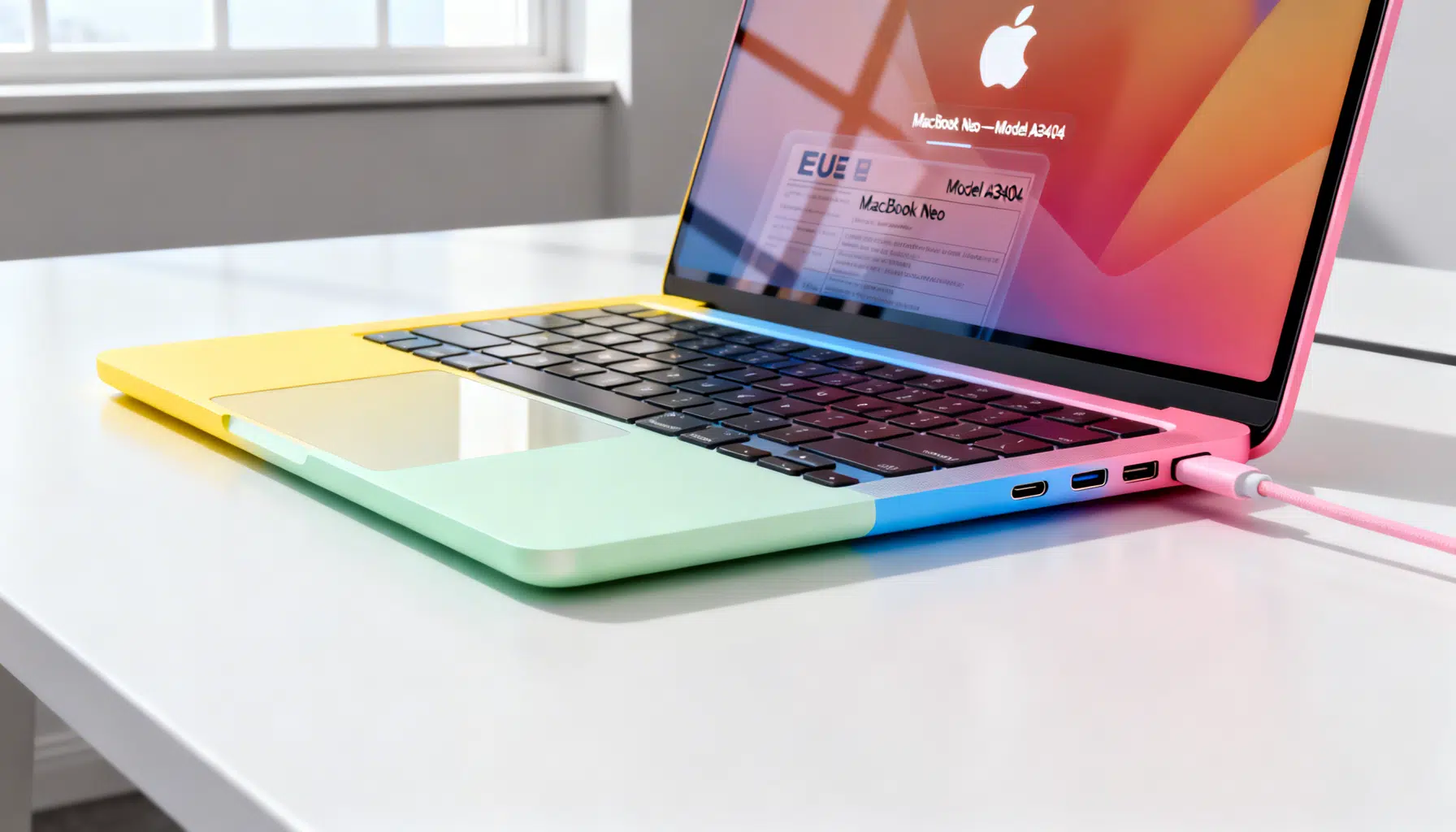
Apple’s ‘MacBook Neo’ leak points to a budget MacBook with iPhone‑class chip, possibly debuting today
Apple’s site briefly named a “MacBook Neo,” hinting at a budget MacBook with an iPhone-class chip. Here’s what leaked and what to watch for today.