
Ghana in 2026: Inflation Plunges, Lithium Nears a Vote, and Mahama’s Second Act Resets the Agenda
Ghana’s 2026 snapshot: inflation at new lows, Eurobond reform holds, lithium nears ratification, energy fixes continue, rights debate intensifies.
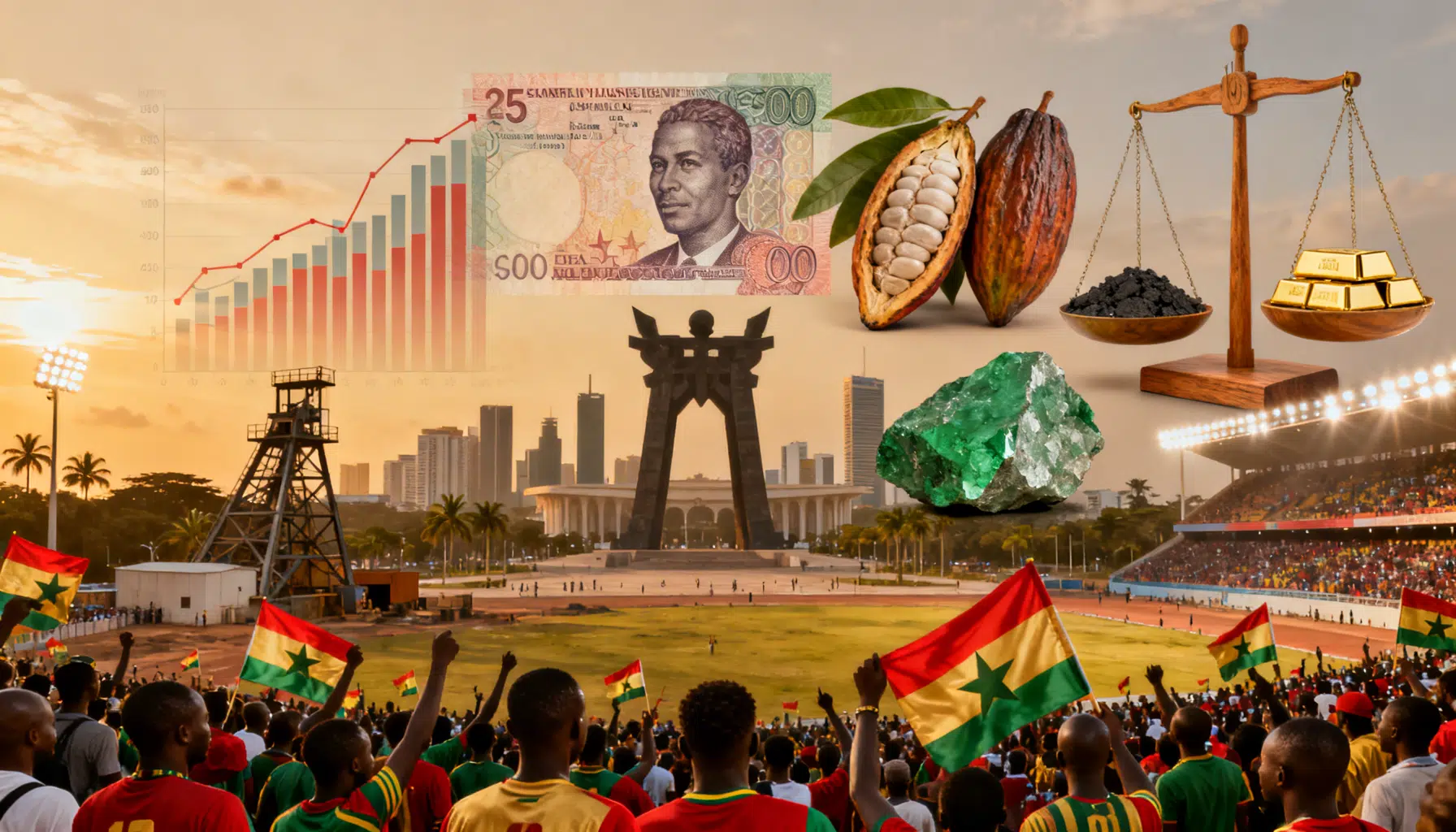
Image used for representation purposes only.
Ghana at a Turning Point: Politics, Prices, Minerals and Momentum (March 17, 2026)
Ghana is back in the global spotlight. Fourteen months after John Dramani Mahama returned to power, inflation has plunged to multi‑decade lows, debt restructuring milestones are in place, Parliament is weighing the country’s first lithium mine, and the Black Stars have clinched a World Cup berth. Yet fraught debates over civil liberties and power-sector finances show the reset is far from complete. (apnews.com )
Politics and the law: Mahama’s second act, high-stakes bills
- Power transition: Former president John Dramani Mahama won the December 7, 2024 election with 56.5% of the vote and was sworn in on January 7, 2025, pledging to “reset” governance and the economy. (apnews.com )
- Judiciary shock: In April 2025, Mahama suspended the chief justice amid an investigation—an assertive early move that drew domestic scrutiny. (apnews.com )
- LGBTQ+ bill returns: After Parliament’s February 2024 passage of a sweeping anti‑LGBTQ bill stalled at the presidency and in court challenges, lawmakers reintroduced the measure in 2025; in February 2026, Parliament formally revived the bill. Mahama has publicly said he will sign if it passes, a stance rights groups warn would curtail fundamental freedoms. (apnews.com )
Economy: IMF milestones, ratings upgrades—and the inflation plunge
Ghana’s 39‑month IMF program (2023–2026) cleared two key hurdles last year. The Executive Board completed the fourth review in July 2025, unlocking about $367 million, and the fifth review in December 2025, citing progress but flagging earlier program slippages. (imf.org )
Price stability has improved dramatically. Headline inflation fell to 3.8% in January 2026 and 3.3% in February 2026, the lowest since the CPI rebasing in 2021, according to the Ghana Statistical Service. Central bank releases credit the turnaround to tighter policy, a stronger cedi and fiscal consolidation. (statsghana.gov.gh )
Markets are taking note. After completing the external bond exchange in October 2024 and resuming coupons in 2025, Ghana secured sovereign rating upgrades in 2025 from S&P and Fitch, moving the country out of default and into the ‘B‑/CCC+’ range with a stable outlook. (imf.org )
Debt restructuring: Eurobonds done, payments resumed
Ghana’s Eurobond restructuring swapped roughly $13.1 billion into new securities with a menu of options, including a 37% nominal haircut on one track. Debt service on the new bonds resumed in late 2024 and continued in 2025 with coupon payments. These steps, alongside official creditor agreements and domestic exchanges, underpin the IMF program’s financing. (imf.org )
Energy: Outage jitters amid arrears cleanup and tariff reform
Sporadic “dumsor” concerns persist. Accra and Tema residents have faced scheduled maintenance outages in early March 2026, even as authorities say supply is adequate. Meanwhile, the government says it cleared $1.47 billion of sector arrears in 2025 and renegotiated contracts with IPPs, though industry groups caution over $1 billion remains outstanding. IMF documents note ongoing tariff reforms and a multi‑year tariff order to stabilize cash flows. (gbcghanaonline.com )
Agriculture: Cocoa strains—and hopes for a rebound
COCOBOD cut its 2024/25 cocoa output forecast to around 600,000 tons after weather and disease hammered recent harvests. Officials deferred delivery on some forward contracts to the 2025/26 season, but farmers and traders remain cautiously optimistic for a bumper 2025/26 crop if flowering holds. Smuggling pressures add complexity. (ecofinagency.com )
Mining: Gold dominance and a lithium countdown
- Gold stays king: Ghana retained its status as Africa’s top gold producer after output rose to a record 4.8 million ounces in 2024; industry projections for 2025 were 5.1 million ounces, and some reports now point to an even higher 2025 tally. The government also moved to restrict foreign trading of artisanal gold to curb smuggling and boost revenues. (thebftonline.com )
- Ewoyaa lithium on the brink: The country’s first lithium mine—Atlantic Lithium’s Ewoyaa project—remains one parliamentary vote away from ratification of a revised mining lease. Committee deliberations resumed in February 2026 as spodumene prices rebounded; civil society groups have pressed for tougher fiscal terms and safeguards for affected communities. (africaextractives.com )
Oil and gas: Stabilization, but output challenges
Upstream operators are ramping 2026 drilling after maintenance and decline weighed on volumes in 2025. Tullow and partners secured license extensions for Jubilee and TEN, and the government signaled a stronger long‑term sovereign stake. PIAC’s semi‑annual review, however, recorded a 26% year‑on‑year drop in H1‑2025 oil output across Jubilee, TEN and Sankofa, underlining the need for sustained investment. (ogj.com )
Trade and tourism: AfCFTA hub, “December in GH” surge
With the AfCFTA Secretariat headquartered in Accra, Ghana continues to position itself as a services and logistics hub as guided‑trade pilots give way to broader implementation. Tourism has surged back: official tallies for 2024 point to a record $4.8 billion in tourism receipts, supported by the “December in GH” calendar and strong diaspora travel; a new GSS survey estimates visitor expenditure at roughly GH¢15.4 billion over the latest reporting period. (trade.gov )
Sport: World Cup bound—and the Black Queens are back
Ghana sealed qualification for the 2026 FIFA World Cup with a 1–0 win over Comoros, drawing congratulations from regional football bodies. The Black Queens also booked their ticket to the expanded Women’s AFCON Morocco 2026, signaling renewed momentum across the national teams. (cafonline.com )
The outlook
Ghana’s macro turnaround—collapsing inflation, debt service normalization, and ratings upgrades—has created breathing room. But sustaining it will hinge on: timely passage of a competitively structured lithium regime; credible power‑sector cash reforms; and careful navigation of rights debates that carry economic and diplomatic consequences. With a World Cup berth energizing national pride and investment interest rising, the next few months will test whether Accra can convert stabilization into broad‑based growth.