
iPhone in 2026: iPhone 17 momentum, messaging shifts, and the foldable wildcard
As of March 23, 2026, iPhone 17 sales stay strong while RCS, DMA rules, and a possible foldable iPhone redefine Apple’s smartphone story.
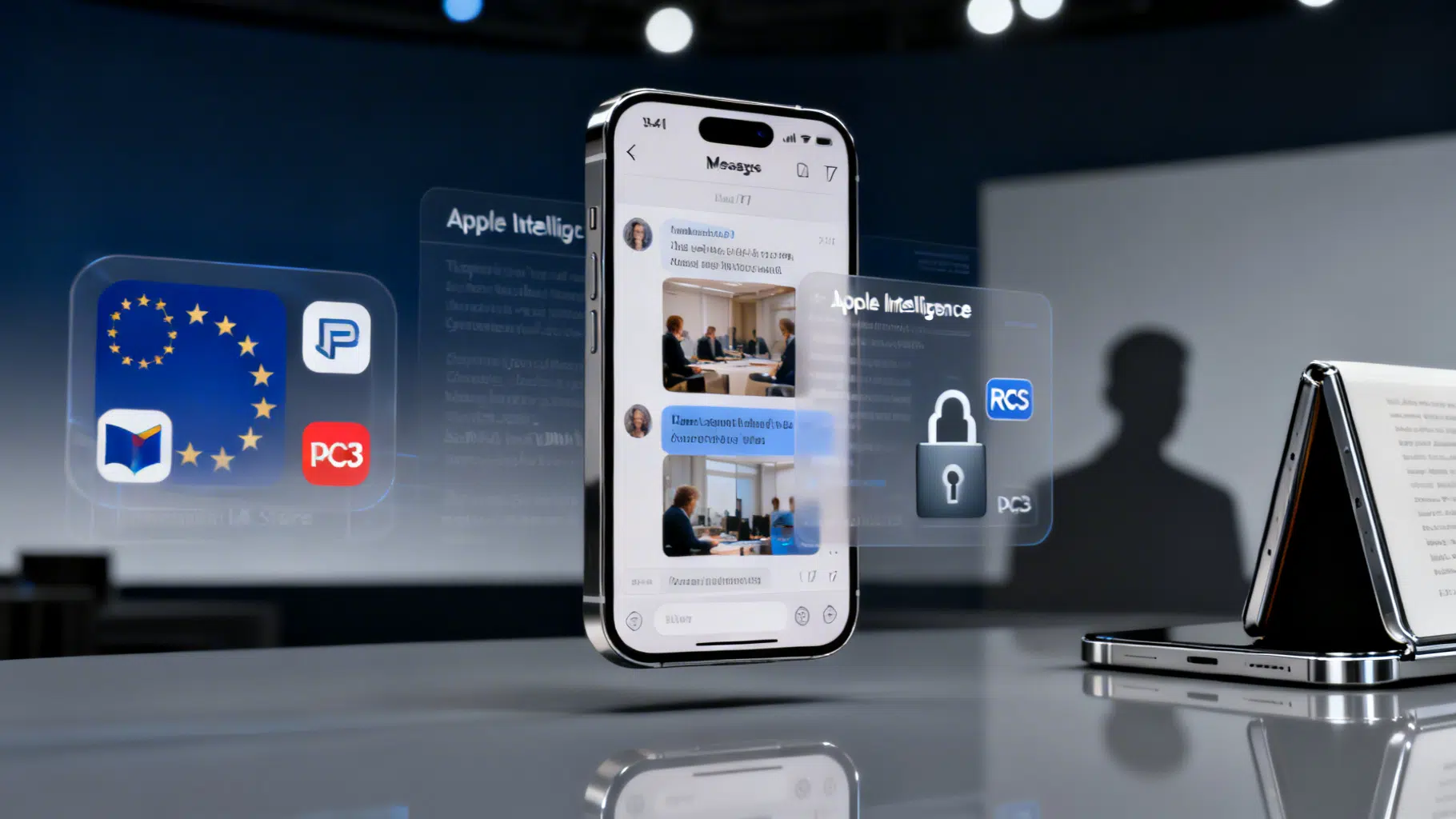
Image used for representation purposes only.
The iPhone story in 2026: momentum, messaging changes, and a foldable on the horizon
As of March 23, 2026, Apple’s iPhone business is riding strong iPhone 17 sales, while sweeping software and policy shifts are reshaping how the device works—especially in Europe. Messaging is more interoperable than ever, security has quietly taken a post‑quantum leap, regulators are still circling, and rumors point to a foldable iPhone arriving as soon as late 2026. (macrumors.com )
iPhone 17: solid uptake and a feature push
Apple’s 2025 flagships—iPhone 17 and 17 Pro/Pro Max—debuted in September with a continued emphasis on camera, video, and on‑device intelligence. Apple highlighted spatial photo/video capture for Vision Pro, upgraded image processing, and deeper “Apple Intelligence” tie‑ins across the lineup. Early 2026 market trackers credit the 17 series with powering Apple’s strong holiday quarter and positioning the iPhone near the top of global market share. (apple.com )
Independent coverage and retail data echo that momentum. Analysts cited by MacRumors (drawing on Counterpoint Research) said Apple finished 2025 as the smartphone leader at roughly 20% share, with the iPhone 17 driving year‑end demand. In China, Counterpoint reported Apple’s shipments jumped in Q4 2025 despite a softer market. (macrumors.com )
On the spec front, Apple’s newsroom materials emphasize pro‑grade video features—Pro workflows and enhanced capture modes—while enthusiast outlets point to a new Center Stage front camera and thermal improvements on the Pro models. Treat individual component claims cautiously until Apple’s documentation or teardowns confirm them, but the overall trend is clear: the 17 series doubled down on cameras, cooling and AI‑assisted features. (apple.com )
Messaging finally opens up: RCS arrives, iMessage goes post‑quantum
Apple committed at WWDC 2024 to bring RCS to the Messages app, improving texting between iPhone and Android with features like higher‑quality media and better group chats. Through 2025, support expanded across carriers, including Google Fi—ending years of green/blue bubble friction for many mixed‑platform groups. (macrumors.com )
Under the hood, Apple also rolled out PQ3, a post‑quantum encryption upgrade for iMessage, starting with iOS 17.4. Security researchers note PQ3 significantly hardens message confidentiality against future quantum attacks, placing iMessage among the first mainstream messengers to deploy a production post‑quantum protocol at scale. (security.apple.com )
Europe’s DMA reshapes iPhone software distribution
The EU’s Digital Markets Act (DMA) is materially changing how iPhone apps are distributed and paid for—Apple has introduced alternative app marketplace support and new business terms, with additional changes scheduled via late‑cycle iOS updates. Apple’s developer guidance details the experiences for installing alternative marketplaces or developer‑hosted apps, while keeping legacy App Store terms available for those who prefer the status quo. (developer.apple.com )
Brussels’ pressure has been intense: after a €500 million penalty in early 2025 over “anti‑steering,” Apple announced further EU terms to defuse additional action. Independent outlets and wire services report that these concessions aim to reduce regulatory heat while preserving Apple’s security posture and economics—an evolving balance regulators are still assessing. (macrumors.com )
In the U.S., antitrust scrutiny persists
The U.S. Department of Justice and a coalition of states are pressing a landmark case accusing Apple of illegally maintaining an iPhone monopoly. In mid‑2025, a federal judge allowed the suit to proceed, setting a path that could take the case to trial as late as 2027—meaning the iPhone’s competitive boundaries will remain a policy story well into the iPhone 18/19 era. (apnews.com )
What’s next: iPhone 18 cycle and the foldable wildcard
Attention now shifts to Apple’s 2026 fall lineup. Rumors suggest the traditional slab iPhones will see iterative performance and AI feature gains, while the real headline could be Apple’s first foldable. Multiple reports point to a book‑style “iPhone Fold” being announced around Apple’s usual September window but shipping months later—or even slipping to 2027—due to hinge, display and software readiness. Treat timing and specs as fluid, but the drumbeat is getting louder. (tomsguide.com )
If Apple does enter foldables in late 2026, analysts expect a catalyst effect for the segment—limited volumes initially, premium pricing, and a fresh wave of iOS optimizations for large, flexible displays. Conversely, a 2027 debut would underscore Apple’s preference to wait until durability, crease management, and app experiences meet its bar. (appleinsider.com )
The bottom line
- The iPhone 17 series has sustained Apple’s premium momentum into 2026, with market trackers crediting strong holiday performance. (macrumors.com )
- Messaging is materially better across platforms: RCS is live, while iMessage’s PQ3 future‑proofs encryption. (macrumors.com )
- EU DMA rules are forcing unprecedented openness on iOS app distribution—changes that will keep rolling out through 2026. (developer.apple.com )
- U.S. antitrust scrutiny remains a multi‑year overhang, with trial timing likely beyond 2026. (apnews.com )
- A foldable iPhone is the year’s most‑watched wildcard—credible, but timing remains the biggest question. (tomsguide.com )
What to watch next
- Spring and WWDC signals: expect more Apple Intelligence features and developer tools pointing to the fall lineup’s priorities. (apple.com )
- EU implementation details: marketplace UX, default choices, and security prompts as Apple and regulators iterate. (developer.apple.com )
- Supply chain hints: display and hinge partners that would confirm a foldable ramp. (macrumors.com )
For now, the iPhone remains the center of gravity for Apple’s ecosystem—but in 2026, the forces tugging at it are as much regulatory and cryptographic as they are silicon and screens.
Related Posts
iPhone, Spring 2026: Hardware Momentum, AI Rollout, and an EU Shake‑Up
iPhone in March 2026: iPhone 17 momentum, Apple Intelligence rollout, EU app store shifts, and what to expect from iPhone 18.
Tim Cook at 50: Record highs, a 2026 AI reboot, and the succession watch
As Apple turns 50 on April 1, 2026, Tim Cook juggles record earnings, a 2026 Siri reboot with Google, EU/DOJ pressure, and rising succession signals.
iOS 26.4: New Ways to Customize Your iPhone and What’s Coming This Month
iOS 26.4 is nearing release. Here’s how to personalize your iPhone with Liquid Glass, icon sizing, label controls, and more—plus what to expect this month.