
Flutter State Management in 2026: BLoC vs Riverpod (3.x)
Flutter state management in 2026: a concise, practical comparison of BLoC and Riverpod 3.x—APIs, tooling, performance, and when to choose each.
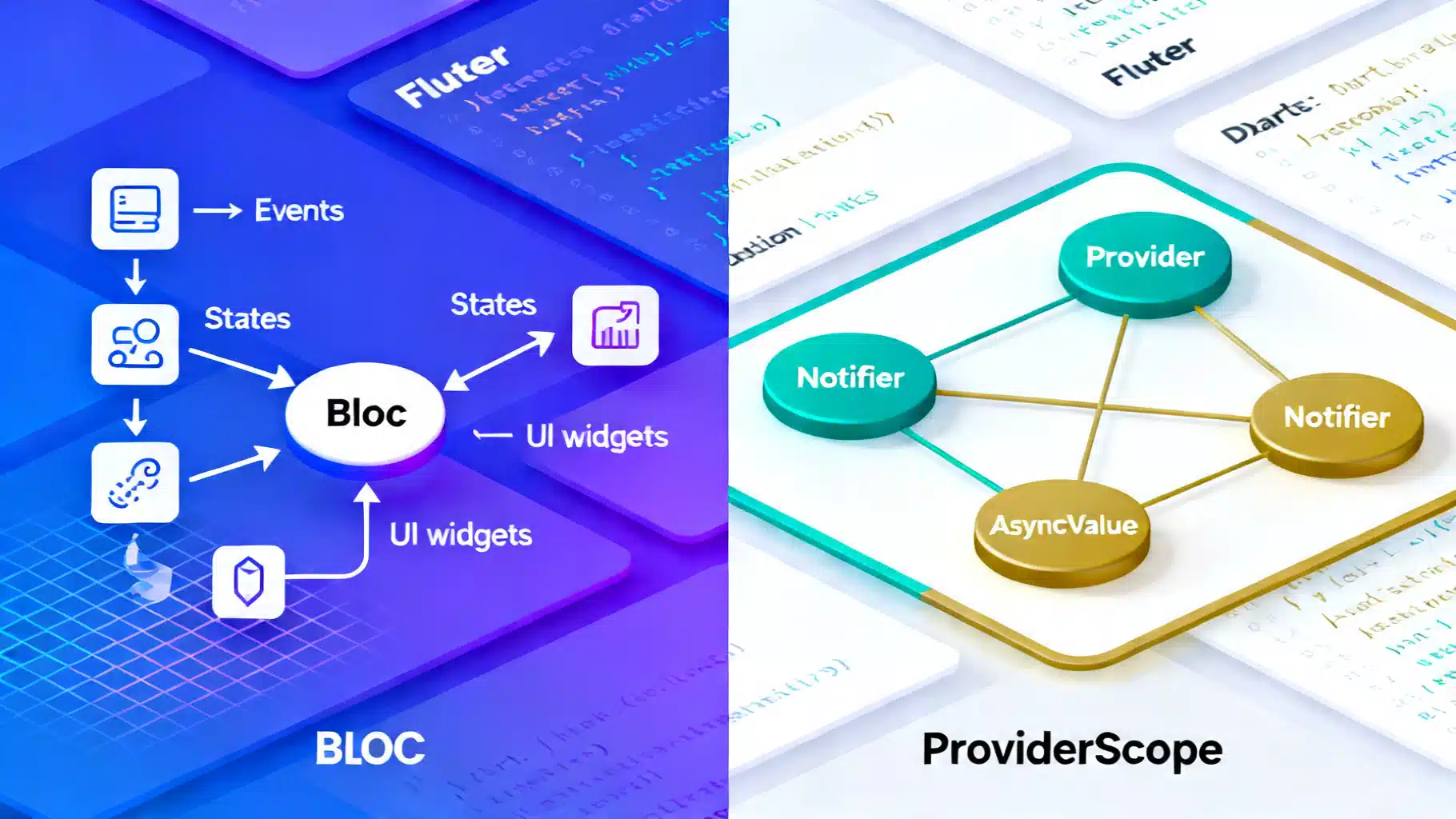
Image used for representation purposes only.
Executive summary
Choosing between BLoC and Riverpod in 2026 comes down to team preferences around explicitness vs. ergonomics, the shape of your data flows, and the kinds of guarantees you want from tooling. Both scale to large apps, both test well, and both enjoy mature ecosystems. BLoC favors explicit event→state transitions and long‑lived controllers; Riverpod favors fine‑grained, dependency‑aware providers with powerful code generation and caching.
As of April 2026, the BLoC package family is at bloc v9.2.x and flutter_bloc v9.1.x, while Riverpod is on the stable 3.x line. Riverpod 3 brought notable changes such as a unified Ref, automatic retry, and experimental offline persistence—modernizing its ergonomics without sacrificing compile‑time safety. (bloclibrary.dev )
What’s new by 2026
- BLoC v9 continues the established event/cubit model with strong guidance and architecture docs; hydrated_bloc has also advanced, providing drop‑in state persistence for BLoC. (bloclibrary.dev )
- Riverpod 3.x ships with a simpler, unified Ref, “Mutations” (experimental) for side‑effects, automatic retry/backoff for providers, and opt‑in offline persistence (experimental). These reduce boilerplate and improve resilience. (riverpod.dev )
- flutter_bloc 9.1.x and riverpod 3.2.x confirm ongoing maintenance and ecosystem stability. (pub.dev )
Mental models
- BLoC: an input queue of events (or simpler: direct method calls with Cubit) produces a stream of states. Widgets subscribe via BlocBuilder/BlocListener. State changes are explicit and serialized; concurrency is controlled with event transformers when needed. (pub.dev )
- Riverpod: your app is a graph of providers. Each provider exposes synchronous or asynchronous state and declares dependencies on others. Widgets use ref/watch/select to subscribe with fine granularity. Riverpod orchestrates caching, invalidation, and rebuilds for you. Riverpod 3 unifies Ref to simplify APIs and codegen. (riverpod.dev )
API ergonomics and boilerplate
- BLoC: more ceremony out of the box (events, states, reducers/handlers), which many teams value for explicit domain boundaries. Cubit trims this when you don’t need full event streams.
- Riverpod: fewer moving parts for many screens, especially with code generation. The provider graph reads naturally once established, and refactoring dependencies is straightforward because relationships are encoded in providers themselves.
Concurrency, caching, and persistence
- Concurrency (BLoC): bloc_concurrency offers battle‑tested transformers—concurrent, sequential, droppable, restartable—so you can control how events interleave. This is invaluable for search boxes, infinite lists, and debounced actions. (pub.dev )
- Caching (Riverpod): providers are cached automatically, with precise invalidation when dependencies change. Riverpod 3 adds automatic retry of failed providers with exponential backoff, reducing manual error plumbing. (riverpod.dev )
- Persistence: hydrated_bloc persists state seamlessly for BLoCs/Cubits; Riverpod 3 introduces experimental offline persistence so certain providers can opt‑in to local storage. Evaluate stability and migration paths before adopting the experimental APIs. (pub.dev )
Testing and developer experience
- BLoC: deterministic event→state transitions make unit tests straightforward. Established patterns like blocTest and BlocObserver help verify behavior and trace changes across the app.
- Riverpod: ProviderContainer enables headless tests, letting you override dependencies and assert provider outputs. The dependency graph encourages small, testable units.
Tooling and documentation remain strong for both. BLoC’s official site documents recommended architecture and layering; Riverpod emphasizes compile‑time safety, custom lint rules, and refactorings across the codebase. (bloclibrary.dev )
Performance considerations
Both can minimize rebuilds effectively:
- BLoC uses BlocBuilder/BlocSelector to select slices of state.
- Riverpod’s provider graph enables granular subscriptions and selective rebuilds via ref.select.
In practice, performance hinges more on how you structure state, memoize derived values, and isolate expensive work than on the library choice itself. Prefer:
- Coarse state for navigation/session; fine‑grained state for UI fragments.
- Derived/computed state providers (Riverpod) or derived getters/selectors (BLoC) to avoid redundant recomputation.
- Event transformers (BLoC) or throttled providers (Riverpod) for bursty inputs.
Side‑by‑side: a minimal counter
Below are intentionally tiny, idiomatic 2026‑style snippets to show “shape,” not production structure.
BLoC with Cubit
import 'package:flutter/material.dart';
import 'package:flutter_bloc/flutter_bloc.dart';

class CounterCubit extends Cubit<int> {
  CounterCubit() : super(0);
  void increment() => emit(state + 1);
}

class CounterPage extends StatelessWidget {
  const CounterPage({super.key});
  @override
  Widget build(BuildContext context) {
    return BlocProvider(
      create: (_) => CounterCubit(),
      child: Scaffold(
        appBar: AppBar(title: const Text('BLoC Counter')),
        body: Center(
          child: BlocBuilder<CounterCubit, int>(
            builder: (_, count) => Text('$count'),
          ),
        ),
        floatingActionButton: FloatingActionButton(
          onPressed: () => context.read<CounterCubit>().increment(),
          child: const Icon(Icons.add),
        ),
      ),
    );
  }
}
Riverpod 3 Notifier
import 'package:flutter/material.dart';
import 'package:flutter_riverpod/flutter_riverpod.dart';
import 'package:riverpod_annotation/riverpod_annotation.dart';
part 'counter.g.dart';

@riverpod
class Counter extends _$Counter {
  @override
  int build() => 0;
  void increment() => state++;
}

class CounterPage extends ConsumerWidget {
  const CounterPage({super.key});
  @override
  Widget build(BuildContext context, WidgetRef ref) {
    final count = ref.watch(counterProvider);
    return Scaffold(
      appBar: AppBar(title: const Text('Riverpod Counter')),
      body: Center(child: Text('$count')),
      floatingActionButton: FloatingActionButton(
        onPressed: () => ref.read(counterProvider.notifier).increment(),
        child: const Icon(Icons.add),
      ),
    );
  }
}
Ecosystem maturity and stability
- BLoC: bloc v9.2.0 is current on the official site; flutter_bloc 9.1.x remains the standard Flutter integration layer. The ecosystem includes concurrency helpers and persistence via hydrated_bloc. (bloclibrary.dev )
- Riverpod: 3.x is the active stable track, with ongoing point releases; the 3.0 release notes detail API simplifications and resilience features (retry/persistence) that many apps benefit from. (pub.dev )
Decision checklist (quick guidance)
Choose BLoC if you value:
- Highly explicit event handling and transitions, ideal for complex flows and audits.
- Shared patterns across mobile/web/server in pure Dart using Streams.
- A mature persistence story today via hydrated_bloc and predictable concurrency controls.
Choose Riverpod if you value:
- Leaner code for common cases, with a powerful provider graph and code generation.
- Built‑in handling for async/loading/error states and automatic retries.
- Easy refactoring thanks to dependency‑aware providers and strong editor tooling.
Migration and interoperability tips
- From Provider to Riverpod: Riverpod’s migration guides are thorough; start by wrapping your app in ProviderScope and migrate leaf state to generated Notifiers incrementally. (riverpod.dev )
- From “vanilla BLoC pattern” to the bloc package: begin with Cubit to limit churn, then promote to full Bloc+events when workflows get complex.
- Mixing is fine: many teams keep domain logic in BLoCs and expose selected data to the widget tree via Riverpod adapters—or vice versa for legacy modules. Just be deliberate about ownership of mutation and caching to avoid duplication.
Bottom line
In 2026, there’s no wrong choice—only the better fit for your team and problem. If your app demands auditable, serialized workflows with explicit transitions, BLoC will feel like home. If you prefer ergonomic, dependency‑aware state with excellent defaults for async work and caching, Riverpod 3.x is a joy to use. Start with the mental model that best matches your features and evolve as the app’s complexity grows.
Related Posts
Flutter State Management Guide: Patterns, Packages, and Practical Examples
A practical, end-to-end Flutter state management guide with patterns, packages, examples, and performance tips for building scalable, testable apps.
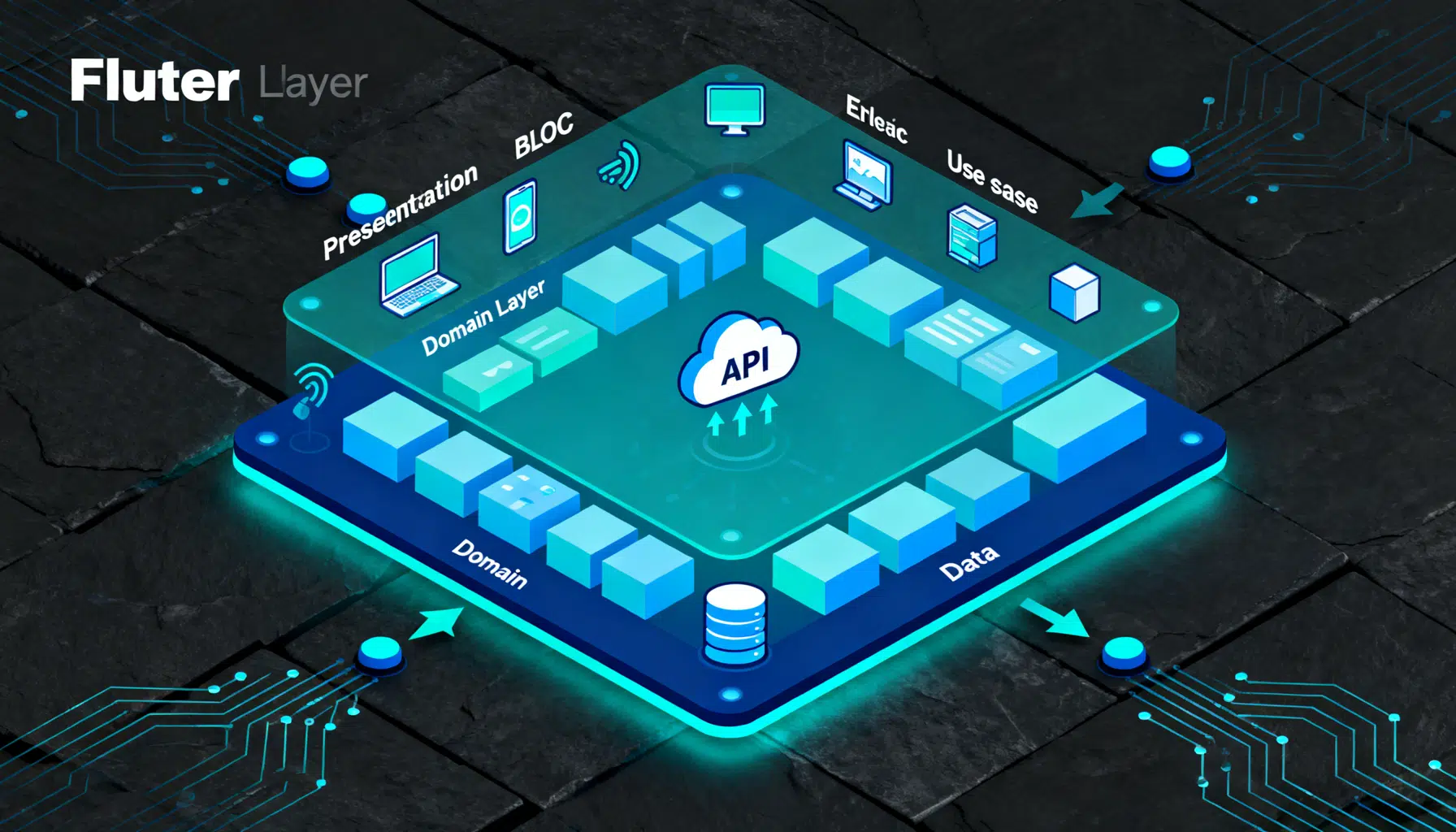
Flutter BLoC + Clean Architecture: A Practical Guide with Patterns and Code
A practical, end-to-end guide to combining Flutter’s BLoC pattern with Clean Architecture using code, structure, DI, and testing tips.
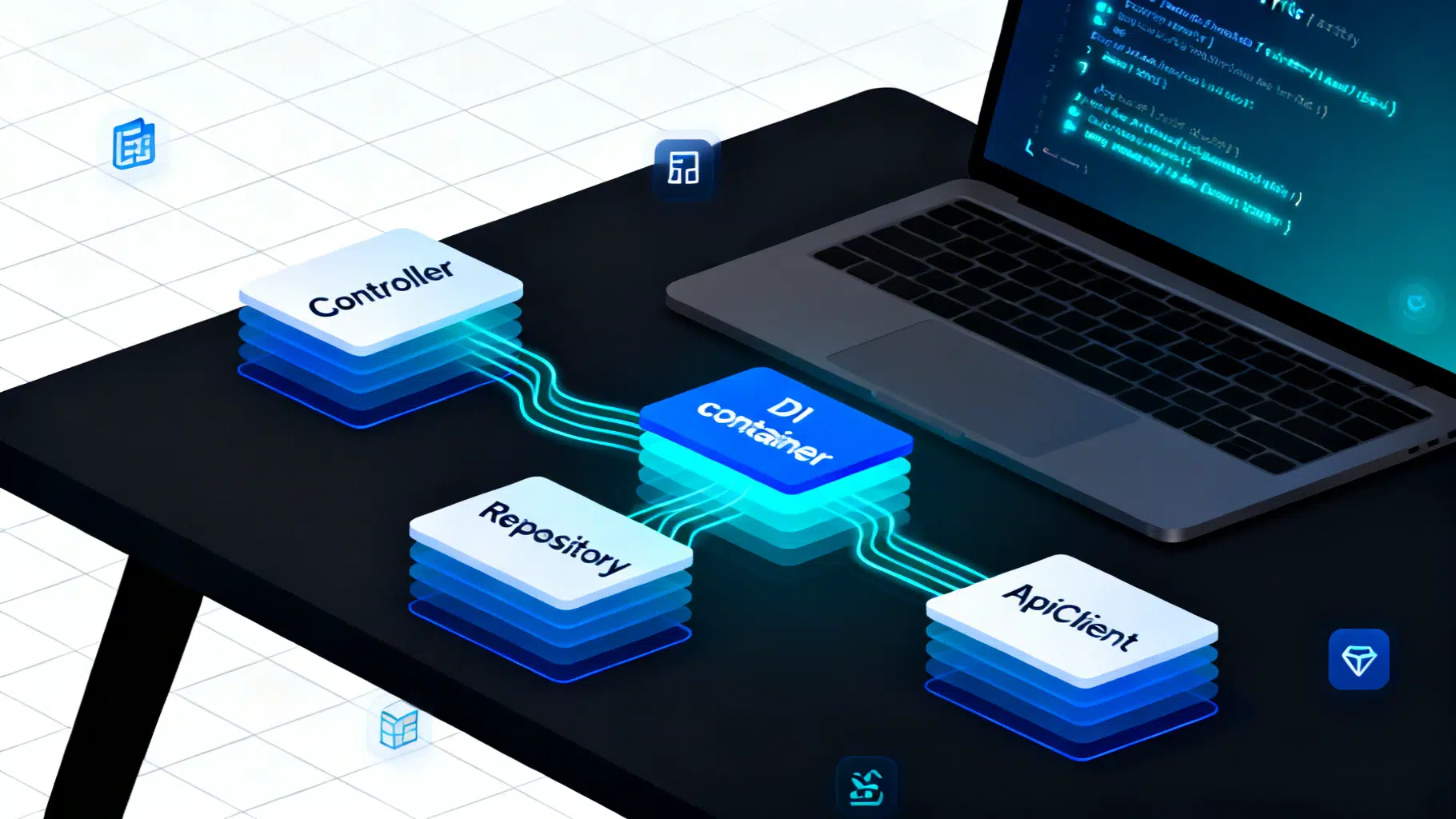
Flutter GetX Dependency Injection: A Practical Tutorial
Master GetX dependency injection in Flutter with Bindings, lifetimes, async setup, testing, and best practices—complete with concise code examples.