Google class action lawsuits: Where the big cases stand now and who could get paid
As of April 9, 2026: The latest on Google class actions—Play Store $700M nearing court approval, Android data $135M, Assistant $68M, and a $425.7M verdict.
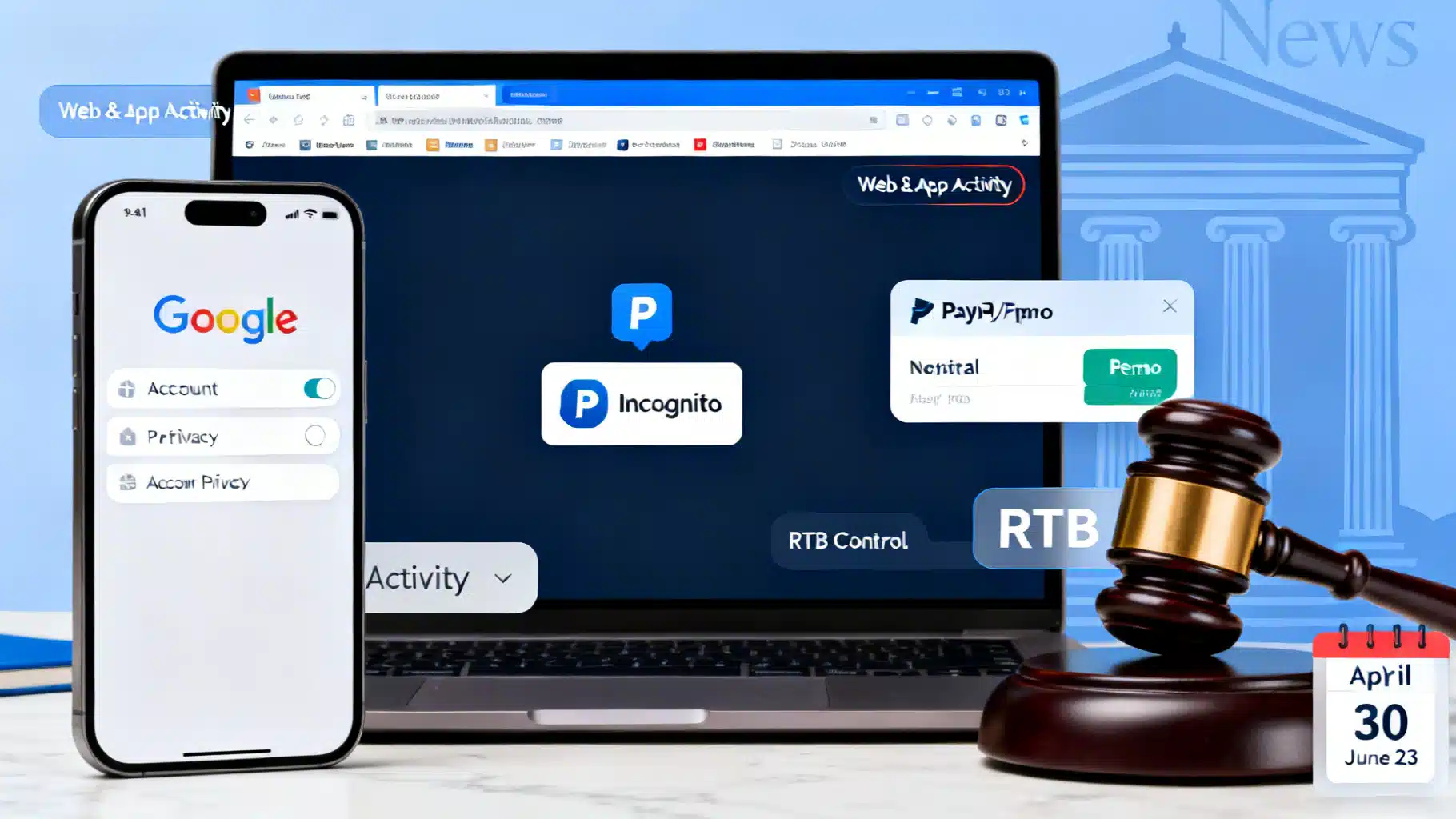
Image used for representation purposes only.
The state of Google’s class actions today (April 9, 2026)
A wave of overlapping class actions against Google is cresting this spring, with new approvals, jury verdicts, and key hearings that could affect hundreds of millions of users. Here’s where the biggest cases stand right now, who may be eligible, and the concrete dates to watch.
What just happened — and what’s next
- Real‑time bidding privacy case: A federal judge granted final approval to the “RTB” settlement on March 26, 2026, requiring Google to roll out a new account‑level control that lets users limit data shared in ad auctions. The court also sharply reduced the attorneys’ fee request. (news.bloomberglaw.com )
- Play Store antitrust consumer settlement ($700 million): The multistate deal that promises automatic payments to eligible consumers is headed to a final approval hearing on April 30, 2026. Opt‑out and objection deadlines passed on February 19, 2026. (oag.ca.gov )
- Android cellular‑data case (nationwide) — proposed $135 million settlement: Preliminary approval was granted on March 5, 2026; a final approval hearing is set for June 23, 2026. This nationwide settlement generally excludes Californians, who were covered by a separate verdict described below. (docs.justia.com )
- Google Assistant “false accepts” ($68 million): A preliminary settlement filed January 26, 2026 received the court’s initial nod on March 20, 2026; claims procedures will follow if the deal wins final approval. (investing.com )
- “Web & App Activity” tracking verdict ($425.7 million): In September 2025, a federal jury found Google liable for collecting data from users who had switched off a key setting; Google says it will appeal. Payouts, if any, depend on the appeal’s outcome. (apnews.com )
- Chrome “Incognito” litigation: In 2024, Google agreed to delete billions of browsing records and enhance disclosures; users won’t receive cash payments in that deal. (apnews.com )
Case‑by‑case breakdown
1) Google Play Store antitrust — $700 million consumer settlement
- What it’s about: States alleged Google used Play Store rules and Google Play Billing to stifle competition and inflate prices for apps and in‑app purchases. Google denies wrongdoing.
- Who may be paid: Most U.S. consumers who made purchases on the Play Store between August 2016 and September 2023. According to the settlement administrator, payments will be sent automatically—typically via PayPal or Venmo—if the court grants final approval. No claim form is required in most cases. (oag.ca.gov )
- Status and key dates: Final approval hearing on April 30, 2026 (San Francisco/Oakland). The opt‑out and objection deadline was February 19, 2026. (oag.ca.gov )
2) Android cellular data (nationwide, excluding California) — proposed $135 million settlement
- What it’s about: Plaintiffs alleged Android transferred app‑related information over cellular networks—even when apps weren’t in use—consuming users’ paid data without adequate disclosure or consent. Google denies liability.
- Who may be paid: U.S. Android users who accessed the internet over cellular networks between November 12, 2017 and the date of final approval, excluding Californians. The court granted preliminary approval on March 5, 2026; a final approval hearing is set for June 23, 2026. Specific distribution details will follow court approval. (docs.justia.com )
- How this relates to California: A separate California‑only case went to trial in July 2025 and produced a $314.6 million verdict for state residents. That verdict is distinct from, and not part of, the nationwide settlement. (channelnewsasia.com )
3) “Web & App Activity” (WAA) tracking — $425.7 million jury verdict (on appeal)
- What it’s about: Plaintiffs said Google kept collecting app‑activity data from about 98 million users even after they turned off Web & App Activity, aided by code embedded in third‑party apps. A San Francisco federal jury awarded $425.7 million on Sept. 4, 2025. Google says the verdict “misunderstands how our products work” and plans to appeal. (apnews.com )
- Class period snapshot: The trial record covered activity from July 1, 2016 through September 23, 2024. Any payout will depend on post‑trial motions and appeals. (apnews.com )
4) Google Assistant “false accepts” — proposed $68 million settlement
- What it’s about: Plaintiffs alleged Assistant‑enabled devices sometimes woke inadvertently (“false accepts”) and recorded conversations that were later reviewed or used to improve speech recognition. Google denies wrongdoing.
- Who may be paid: Two groups, pending final approval: (1) certain purchasers of Google‑made devices with Assistant (e.g., Google Home/Nest/Pixel) dating back to 2016; and (2) a narrower “privacy” class whose communications were actually captured during false accepts. The settlement was filed Jan. 26, 2026 and received preliminary approval on Mar. 20, 2026. Final approval and claims timing are forthcoming. (investing.com )
5) Chrome “Incognito mode” — injunctive relief only
- What it’s about: A 2020 suit alleged Google tracked users in private browsing modes. In 2024, Google agreed to delete billions of browsing records and make disclosures clearer; no cash goes to users. (apnews.com )
6) Real‑time bidding (RTB) data sharing — final approval and new user control
- What it’s about: Plaintiffs challenged Google’s sharing of account‑holder data in RTB ad auctions. On March 26, 2026, the court granted final approval to a settlement that requires Google to add an account‑level “RTB Control,” publish dedicated disclosures, and email active U.S. users. The judge also significantly trimmed lawyers’ fees, citing the speculative value of the relief. (news.bloomberglaw.com )
Eligibility at a glance
- Play Store antitrust ($700M): If you bought apps or made in‑app purchases via Google Play Billing between August 2016 and September 2023, you’re likely in the class. Most payments will be automatic if the judge approves on April 30, 2026. (oag.ca.gov )
- Android cellular data ($135M, nationwide excl. CA): If you used Android on cellular data between Nov. 12, 2017 and the final approval date, you may be eligible—subject to the court granting final approval on June 23, 2026. Californians are generally excluded because of the separate California trial. (docs.justia.com )
- WAA tracking verdict ($425.7M): Covers users who turned off Web & App Activity but whose data was still collected; no claims process is open while appeals proceed. (apnews.com )
- Assistant “false accepts” ($68M): Purchasers of certain Google devices since 2016 and users whose communications were recorded may qualify if the court grants final approval. Preliminary approval has been entered. (news.bloomberglaw.com )
- Chrome Incognito: Data deletion and disclosure changes only; no consumer payments. (apnews.com )
How and when money could arrive
- Automatic vs. claims: In the Play Store case, most eligible consumers don’t need to file a claim—payments should arrive automatically via PayPal or Venmo after court approval. Other matters (Android data, Assistant) will publish instructions if and when final approval is granted. Always verify any notice by checking the official settlement site or the court docket. (oag.ca.gov )
- Realistic amounts: Even large totals don’t always mean large checks. For example, the $425.7 million WAA verdict covered about 98 million devices—roughly $4 per device before fees and costs, and it’s under appeal. (apnews.com )
Dates to put on your calendar
- April 30, 2026 — Final approval hearing: $700M Play Store consumer settlement. (oag.ca.gov )
- June 23, 2026 — Final approval hearing: $135M Android cellular‑data settlement. (courthousenews.com )
- March 26, 2026 — Final approval granted: RTB settlement; Google must launch new “RTB Control” and related notices within court‑ordered timelines. (news.bloomberglaw.com )
Practical tips to avoid scams
- Trust, but verify: Cross‑check any email or text about a Google settlement against the official case website or the court’s docket before clicking links. Settlement administrators rarely ask for sensitive information beyond what’s needed to deliver payment.
- Watch sender details: Automatic PayPal or Venmo notices for the Play Store case should come only after final approval; they’ll be tied to the email or number associated with your Google Play account, per the AG’s office. (oag.ca.gov )
- Mind the deadlines: If a notice includes opt‑out or objection dates, act promptly. For the Play Store case, those deadlines passed on February 19, 2026; for Android data and Assistant, final approval timelines are still ahead. (oag.ca.gov )
Why this matters
Taken together, these cases are reshaping how Google discloses, collects, and shares user data—and how antitrust rules apply to the Android app economy. Some cases deliver cash, others structural change, but the through‑line is clear: courts are pressing for more transparency and user control, while states and private plaintiffs test the limits of privacy and competition law in Big Tech’s backyard. (news.bloomberglaw.com )
Related Posts
Building a Production-Ready AI Image Recognition API for Mobile Apps
Design and ship a production-grade AI image recognition API for mobile apps: architecture, models, privacy, performance, and code snippets for iOS/Android.
Google Weather’s March 2026 refresh: new Pixel icons, AI forecasts, and a shift toward Search
Google’s Pixel Weather gets a bold March 2026 refresh as AI models power deeper forecasts across Search, Pixel, and Wear OS.
Samsung to Retire Messages App in the U.S. by July 2026—Users Told to Switch to Google Messages
Samsung will retire its Messages app in the U.S. in July 2026. Here’s what changes, who’s affected, and how to switch to Google Messages.