
Kai Sato Rescued After a Month Adrift: A Solo Pacific Crossing Turns Into Survival Epic
Solo sailor Kai Sato survived nearly a month adrift after a June 7 departure from Catalina—rescued July 21 by a Pasha Hawaii ship near the islands.
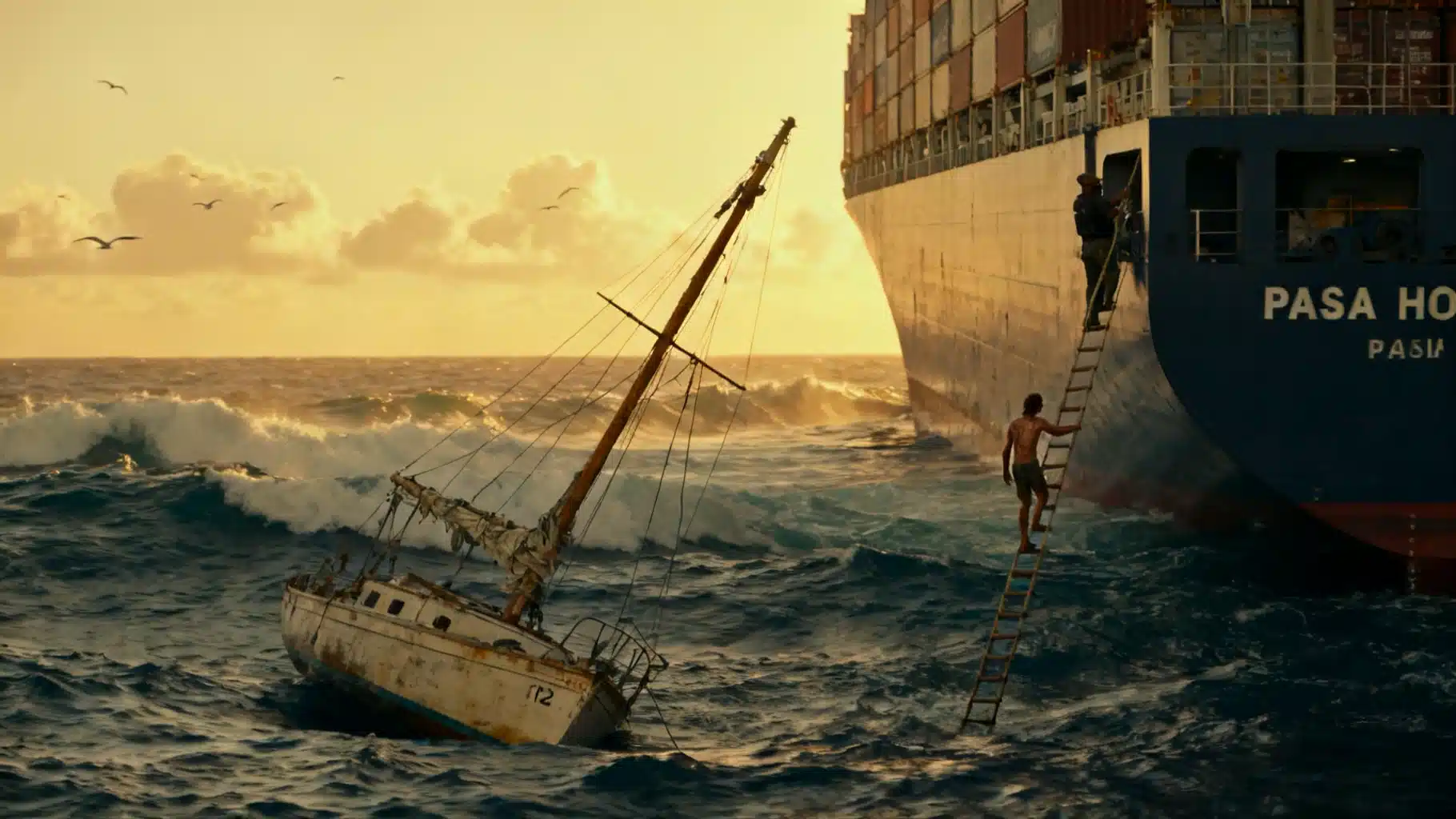
Image used for representation purposes only.
A month alone on the Pacific ends in a chance rescue
A solo bid to sail from California to Hawaii turned into a survival saga for 39-year-old Kai Sato, who was found and rescued after roughly a month adrift in the North Pacific. Sato departed Catalina Island on June 7, 2026; two weeks later his mast snapped, setting off a chain of failures that left him drifting until a passing Pasha Hawaii containership spotted his disabled sailboat and brought him aboard. The case has since ricocheted around global media, drawing intense public interest. (hawaiinewsnow.com )
The timeline
- June 7, 2026: Sato departs solo from Catalina Island, aiming for Hawaii. (hawaiinewsnow.com )
- About two weeks later: In strong winds and rough seas, his mast breaks. Attempts to motor back toward shore drain his fuel. (hawaiinewsnow.com )
- July 11, 2026: With his water gone, Sato improvises a condensation rig—filling buckets with seawater and sealing them with plastic to lick fresh water from the inside of the bag. He survives primarily on oatmeal and sea life that landed aboard. (hawaiinewsnow.com )
- July 21, 2026 (Tuesday): After working his way back into the California–Hawaii shipping lane, Sato is spotted by a Pasha Hawaii ship and rescued by crew who lower a rope ladder. He’s given dry clothes, food, water—and a cabin to recover. (hawaiinewsnow.com )
How he stayed alive
Sato described a mix of jury-rigging and routine: repurposing PVC pipes and kayak paddles to create makeshift sail support, meditating to steady his nerves, and talking to the elements as he drifted south and then back toward traffic. The condensation hack kept him from dehydration after July 11, a critical turning point that bought him time until he crossed paths with commercial shipping. (hawaiinewsnow.com )
The rescue at sea
Pasha Hawaii crew twice tried to get a rope ladder to Sato before he could safely climb aboard. The ship’s mariners then provided essentials—and, according to local coverage, even a suite—while arranging to get him ashore. NBC’s Los Angeles affiliate, citing the Seafarers International Union, reported the pickup occurred roughly 900 miles from Hawaii, consistent with Sato’s account of reentering the main shipping corridor. (hawaiinewsnow.com )
‘I cried for a whole week’—and what comes next
In interviews after reaching land, Sato said he endured a week of despair after the mast failure and admitted thoughts of giving up before forcing himself back into problem-solving mode. He is now staying with relatives, recovering, and—remarkably—planning a future voyage to the Philippines on a larger boat. (hawaiinewsnow.com )
Why this story resonated
Within hours of the first local reports from Honolulu, major outlets from the U.S. and abroad amplified the saga, highlighting the combination of bad luck, improvisation and a textbook Good Samaritan rescue by a commercial ship. Coverage from The Daily Beast, Hindustan Times, Argentina’s La Nación and Brazil’s UOL helped propel the story into global trending territory over the weekend of July 26–27. (thedailybeast.com )
Safety takeaways mariners are talking about
- Know your route—and your lanes: Sato’s eventual return to the California–Hawaii shipping lane increased the odds of being seen by commercial traffic. (hawaiinewsnow.com )
- Redundancy and improvisation: His ad-hoc rigging and water condensation setup illustrate how simple materials can extend survival windows when core systems fail. (hawaiinewsnow.com )
The bottom line
From a broken mast to a shipboard rescue on July 21, 2026, the “adrift” ordeal of Kai Sato is a stark reminder of both the risks of bluewater passages and the lifesaving role commercial mariners often play on the open ocean. As investigators and the sailing community parse what went wrong, Sato’s account underscores a simple truth: ingenuity and persistence can keep a sailor alive long enough for luck—to look like a ship on the horizon. (yacht.de )