
Dr. Fauci Pleads the Fifth: Inside a Combustible Senate Showdown and What Comes Next
On July 29, 2026, Dr. Anthony Fauci invoked the Fifth in a fiery Senate hearing; a contempt vote is now planned. Here’s what happened and why it matters.
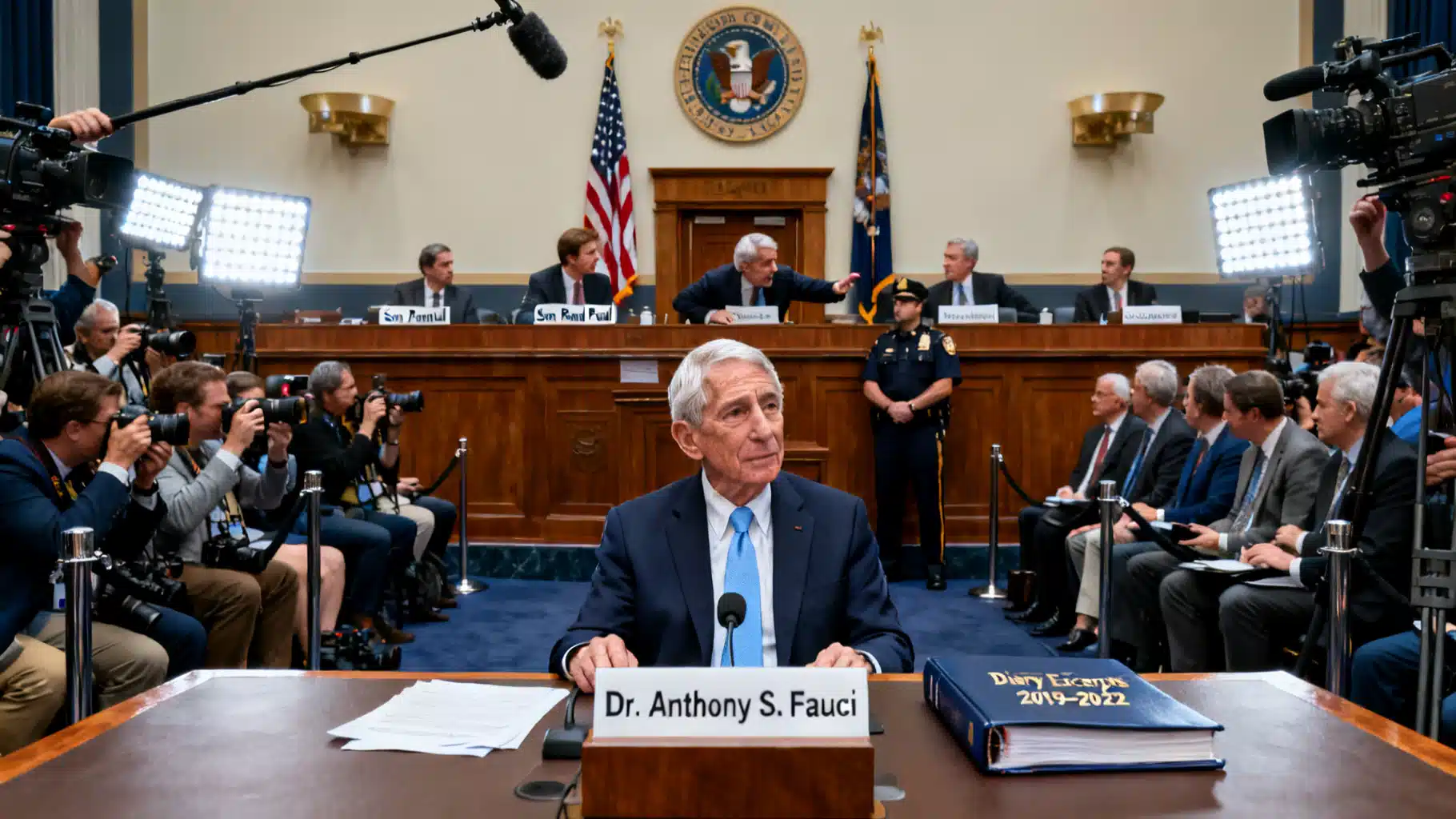
Image used for representation purposes only.
Dr. Fauci invokes Fifth Amendment in explosive Senate hearing, contempt vote looming
WASHINGTON — In a high-intensity Capitol Hill hearing on July 29, 2026, Dr. Anthony S. Fauci repeatedly invoked his Fifth Amendment right against self-incrimination before a Republican-led Senate committee probing the government’s COVID-19 response and the origins of the virus. The hearing, convened by the Senate Homeland Security and Governmental Affairs Committee, quickly turned combative and is now poised to spill onto the Senate floor with a planned vote to hold the former NIAID director in contempt. (apnews.com )
What happened in the room
Over several hours, Fauci declined to answer dozens of questions from senators, including inquiries about pandemic-era guidance and research funding. In one of the session’s most dramatic moments, Committee leadership ordered Fauci’s attorney, David Schertler, removed from the room after he attempted to interject without recognition. The confrontation underscored the tenor of the day as Republicans pressed Fauci on “gain-of-function” research and alleged U.S. support for risky work abroad—allegations Fauci has long disputed. (axios.com )
Why the Fifth, despite a presidential pardon?
Fauci’s silence came even though he received a sweeping, preemptive pardon from President Joe Biden in January 2025 covering potential federal offenses related to his government service dating back to 2014. Committee Republicans argued the pardon undercut his need to plead the Fifth, but legal exposure can persist around new statements under oath (for example, potential perjury) even if past conduct has been pardoned—a point raised by committee members and reflected in post-hearing maneuvering toward a contempt vote. (justice.gov )
The diaries at the center of the clash
Fueling the inquiry were more than 1,000 pages of Fauci’s COVID-era diary entries, covering late 2019 through 2022, circulated by Republican investigators ahead of the hearing. Senators used selected passages to question early decision-making and communications with the Trump White House, while Fauci’s allies noted the entries echo points already made publicly and in his 2024 memoir, capturing the scientific uncertainty of the pandemic’s first months. Among the passages discussed were entries describing then-President Trump’s bout with COVID-19, including clinical details contemporaneously logged by Fauci. (apnews.com )
A contempt vote next — and what it means
By day’s end, Senate leaders signaled they would schedule a vote to hold Fauci in contempt for refusing to answer the committee’s questions. If approved, the chamber could refer the matter to the Justice Department—an escalation with uncertain legal impact but undeniable political stakes as congressional Republicans seek to revisit pandemic-era decisions and the federal government’s role in high-risk research. (apnews.com )
How we got here: a fast-moving, multi-year fight
- January–June 2024: The House Select Subcommittee on the Coronavirus Pandemic conducted a lengthy transcribed interview with Fauci (January), followed by public testimony (June). While Republicans highlighted what they saw as contradictory statements, the GOP-led inquiry ultimately reported no evidence linking Fauci to criminal wrongdoing. (oversight.house.gov )
- June 2024: Fauci published his memoir, “On Call: A Doctor’s Journey in Public Service,” reflecting on six decades in medicine and public service. (kirkusreviews.com )
- January 19–20, 2025: In his final hours in office, President Biden issued a full and unconditional, preemptive pardon to Fauci for any federal offenses related to his government service from 2014 through the date of the pardon. The action, documented by the Justice Department and presidential archives, was framed as a shield against politicized retribution. (justice.gov )
- July 29, 2026: The Senate Homeland Security and Governmental Affairs Committee—now under Republican control—called Fauci to testify. He declined to answer many questions, citing Fifth Amendment protections; senators indicated they will move forward with a contempt vote. (hsgac.senate.gov )
What each side is arguing now
- Republican investigators: They say Fauci misled Congress about the origins of SARS-CoV-2 and the extent of U.S. funding related to risky virology, including work abroad. They argue the preemptive pardon eliminates the need for Fauci to invoke the Fifth and that his refusal obstructs oversight. They also spotlighted diary excerpts to claim inconsistencies between Fauci’s private notes and public statements. (axios.com )
- Fauci and his defenders: Allies note the House GOP’s own 2024 inquiry found no evidence of criminal wrongdoing by Fauci and say the diaries reflect the evolving, uncertain science of a novel pathogen, much of which was already documented in his 2024 memoir and prior interviews. They view the Senate proceeding as a politicized attempt to relitigate settled questions. (apnews.com )
The bigger picture: science, politics, and the post-pandemic reckoning
Fauci remains a polarizing avatar of the pandemic era. Since leaving government in 2022, he has faced intensifying partisan scrutiny, security threats, and efforts to punish former health officials. Reporting has documented how the change in administrations reshaped federal health leadership and even Fauci’s personal security arrangements, with the current hearing seen by supporters and critics alike as a proxy battle over the country’s pandemic response and trust in public health. (theatlantic.com )
Key takeaways
- Fauci repeatedly pleaded the Fifth before a Republican-led Senate panel on July 29, 2026; an official contempt vote is being prepared. (apnews.com )
- The hearing’s focus included newly public diary entries from 2019–2022 and GOP allegations around U.S.-linked risky research—claims Fauci has consistently disputed. (apnews.com )
- Biden’s January 2025 preemptive pardon of Fauci is confirmed in DOJ and presidential records; however, new testimony could still create legal risk (e.g., perjury), a factor cited in Fauci’s decision to remain silent. (justice.gov )
- A 2024 House GOP inquiry reported no evidence of criminal wrongdoing by Fauci, highlighting the partisan gulf over the federal pandemic response. (apnews.com )
What to watch next
- Timing and outcome of the Senate contempt vote, and whether the Justice Department acts on any referral. (apnews.com )
- Potential release of additional diary materials or correspondence, and whether the committee seeks further testimony from other former health officials. (apnews.com )
- Legal and political fallout if the Senate escalates its inquiry, including implications for federal research oversight and biosafety rules. (hsgac.senate.gov )
Timeline
- Jan 2024: House transcribed interview with Fauci. (oversight.house.gov )
- Jun 3–4, 2024: Fauci testifies publicly before the House Select Subcommittee. (congress.gov )
- Jun 18, 2024: “On Call” memoir released. (kirkusreviews.com )
- Jan 19–20, 2025: Biden issues preemptive pardon to Fauci. (justice.gov )
- Jul 29, 2026: Senate HSGAC hearing; Fauci invokes the Fifth; contempt vote planned. (hsgac.senate.gov )