
Louisiana Vibrio vulnificus outbreak: What we know now (August 8, 2026)
Louisiana renews Vibrio vulnificus warnings amid very warm Gulf waters. Here’s what’s known now, why risk is rising, and how to stay safe.
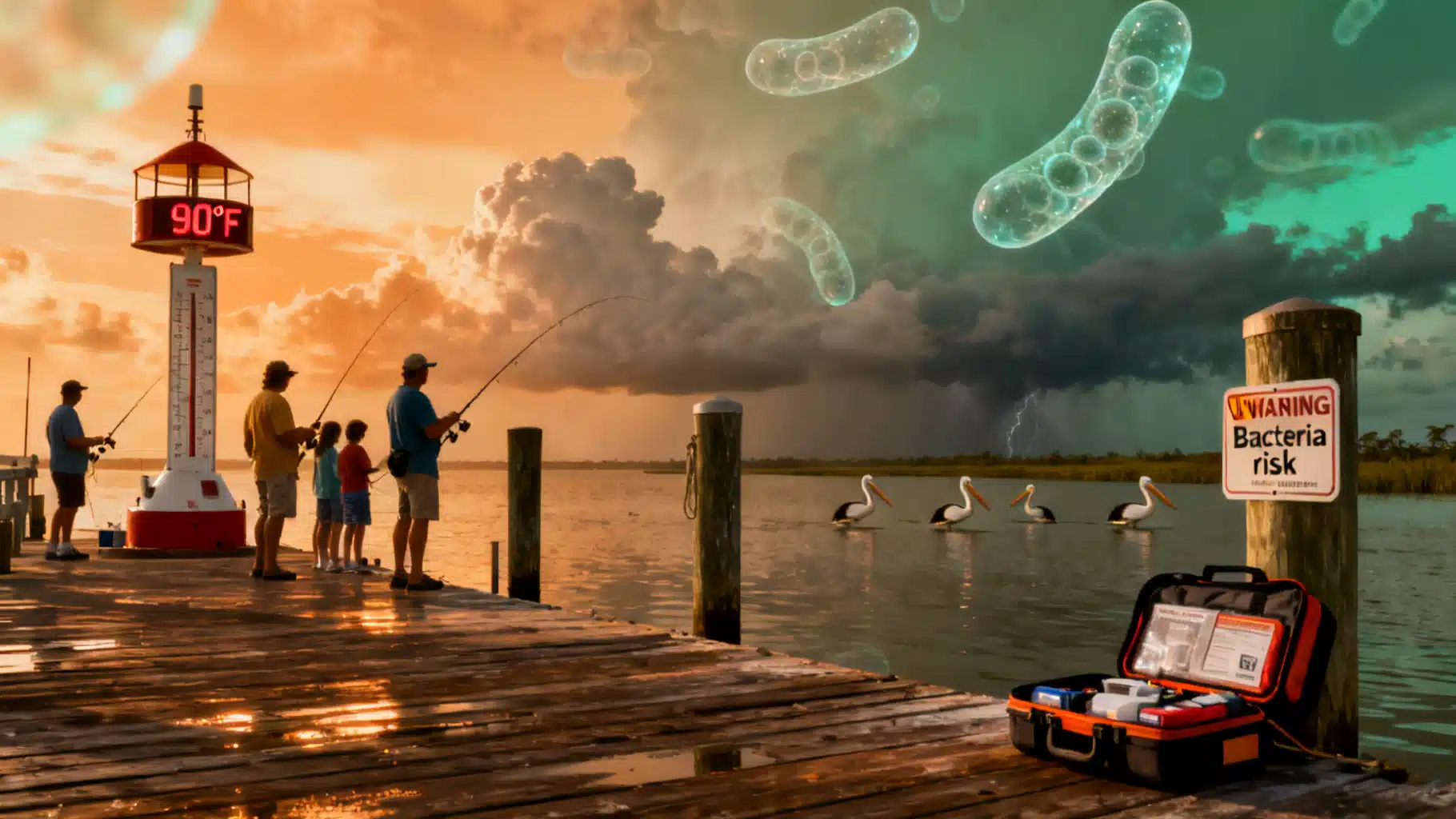
Image used for representation purposes only.
Louisiana Vibrio vulnificus outbreak: what’s driving concern now
Louisiana health officials are urging vigilance again this summer as unusually warm Gulf waters and busy coastal recreation revive fears of severe Vibrio vulnificus infections. While the state has not issued a new 2026 outbreak alert, last year’s spike in cases and deaths, coupled with near-90°F water readings along the Louisiana coast in late July, has public health leaders warning residents to take precautions as peak season continues through September. (ldh.la.gov )
Where things stand as of August 8, 2026
- No new statewide Health Alert Network message specific to Vibrio has been posted in 2026, but Louisiana’s Department of Health (LDH) continues to promote its standing advisories on wound care and seafood safety for salt and brackish waters. The LDH “Out on the Water” advisory plainly notes that all salt and brackish waters can contain Vibrio vulnificus. (ldh.la.gov )
- Beach water-quality checks are ongoing under LDH’s Beach Monitoring Program. These advisories assess fecal indicator bacteria (not Vibrio) but are a reminder that conditions can change quickly after storms and heat waves; the program also links residents to CDC resources on Vibrio. (ldh.la.gov )
- Gulf and nearshore waters off Louisiana have registered exceptionally warm readings this summer; for example, NOAA station data near the Louisiana coast reported water temperatures around 90°F in late July—conditions known to favor Vibrio growth. (ndbc.noaa.gov )
The backdrop: a deadly 2025 season
LDH reported 26 Vibrio vulnificus cases and five deaths among Louisiana residents by mid‑September 2025—significantly above the prior decade’s mid‑season average of seven cases and one death. Local coverage later tallied at least six deaths and 34 infections for 2025 as the season closed, underscoring the strain on hospitals and the need for rapid clinical response. (ldh.la.gov )
A 2026 peer‑reviewed study of estuarine waters in southeast Louisiana, including Lake Pontchartrain, documented the presence of toxin‑associated genes for Vibrio species and recapped the 2025 case surge, placing local observations in a broader environmental context. (journals.asm.org )
Why risk is rising in mid‑summer
- Heat and salinity: CDC warns that elevated sea surface temperatures and periods of lower salinity—common after heavy rain, storm surge, or river discharge—promote Vibrio growth. Heat waves in 2023 across the Eastern U.S. were linked with clusters of severe infections, a pattern that worries Gulf states during warm summers. (cdc.gov )
- Warming Gulf: Long‑term NOAA analyses show the Gulf of Mexico has warmed faster than the global ocean in recent decades. This summer, broad swaths of the world’s oceans are experiencing marine heatwaves, and Gulf monitoring platforms near Louisiana have logged very high temperatures, heightening exposure risk for swimmers, fishers, and seafood handlers. (ncei.noaa.gov )
- Expanding footprint: CDC’s 2023 national advisory documented a northward expansion of severe Vibrio vulnificus infections along the Eastern Seaboard as waters warm—an indicator of how environmental shifts can amplify threats in traditional hotspots like the Gulf. (cdc.gov )
How infections happen—and who is most at risk
Vibrio vulnificus lives naturally in warm salt and brackish waters. Infections typically occur in two ways:
- Wound exposure: Bacteria enter through cuts or abrasions during activities like fishing, crabbing, or wading. Severe wound infections can progress rapidly to sepsis or necrotizing fasciitis.
- Foodborne exposure: Eating raw or undercooked oysters or other seafood harvested from warm coastal waters. (ldh.la.gov )
CDC estimates that Vibrio vulnificus causes a small fraction of total vibriosis cases nationwide but a disproportionate share of deaths; about one in five patients die, sometimes within 48 hours. People with chronic liver disease, diabetes, cancer, or other immunocompromising conditions face greater risk of severe outcomes. (cdc.gov )
What officials advise now
Louisiana health authorities and CDC recommend the following during peak Vibrio months (June–September):
- Avoid exposing open wounds to salt or brackish water; if exposure occurs, wash thoroughly with soap and clean water and monitor for redness, swelling, or fever.
- Wear gloves when handling raw seafood and promptly clean any nicks or cuts.
- Cook oysters and other shellfish thoroughly; avoid raw oysters, especially if you have underlying liver disease or are immunocompromised.
- Seek immediate medical care for rapidly worsening wound infections or severe gastrointestinal illness after seafood consumption. Clinicians are urged to start empiric antibiotics promptly when Vibrio is suspected. (ldh.la.gov )
What to watch through late summer and fall
- New state alerts: LDH’s Health Alert Network archives show the 2025 Vibrio alert and other 2026 advisories; any renewed spike this season would likely prompt updated guidance there and on LDH’s news page. (ldh.la.gov )
- Storm impacts: Tropical systems can alter salinity and turbidity, conditions that—together with heat—encourage Vibrio proliferation. Elevated water temperatures recorded by NOAA platforms near Louisiana suggest continued favorable conditions into August. (cdc.gov )
- Shellfish management: LDH and the Department of Wildlife and Fisheries adjust harvest areas as needed for multiple hazards. Residents should watch for oyster‑area status changes and follow LDH food safety updates. (ldh.la.gov )
Bottom line
As of August 8, 2026, Louisiana has not declared a new Vibrio vulnificus outbreak. But last year’s deadly surge, persistent marine heat, and the bacterium’s well‑documented responsiveness to warm, brackish conditions make this a high‑risk stretch for severe infections. The safest course is the familiar one: protect wounds, cook seafood thoroughly, and seek rapid care at the first sign of infection. (ldh.la.gov )