AI in October 2026: Acceleration meets accountability
AI’s October 2026 snapshot: big model releases, Rubin chips, stricter rules and an energy crunch shift the frontier from pure speed to accountable scale.
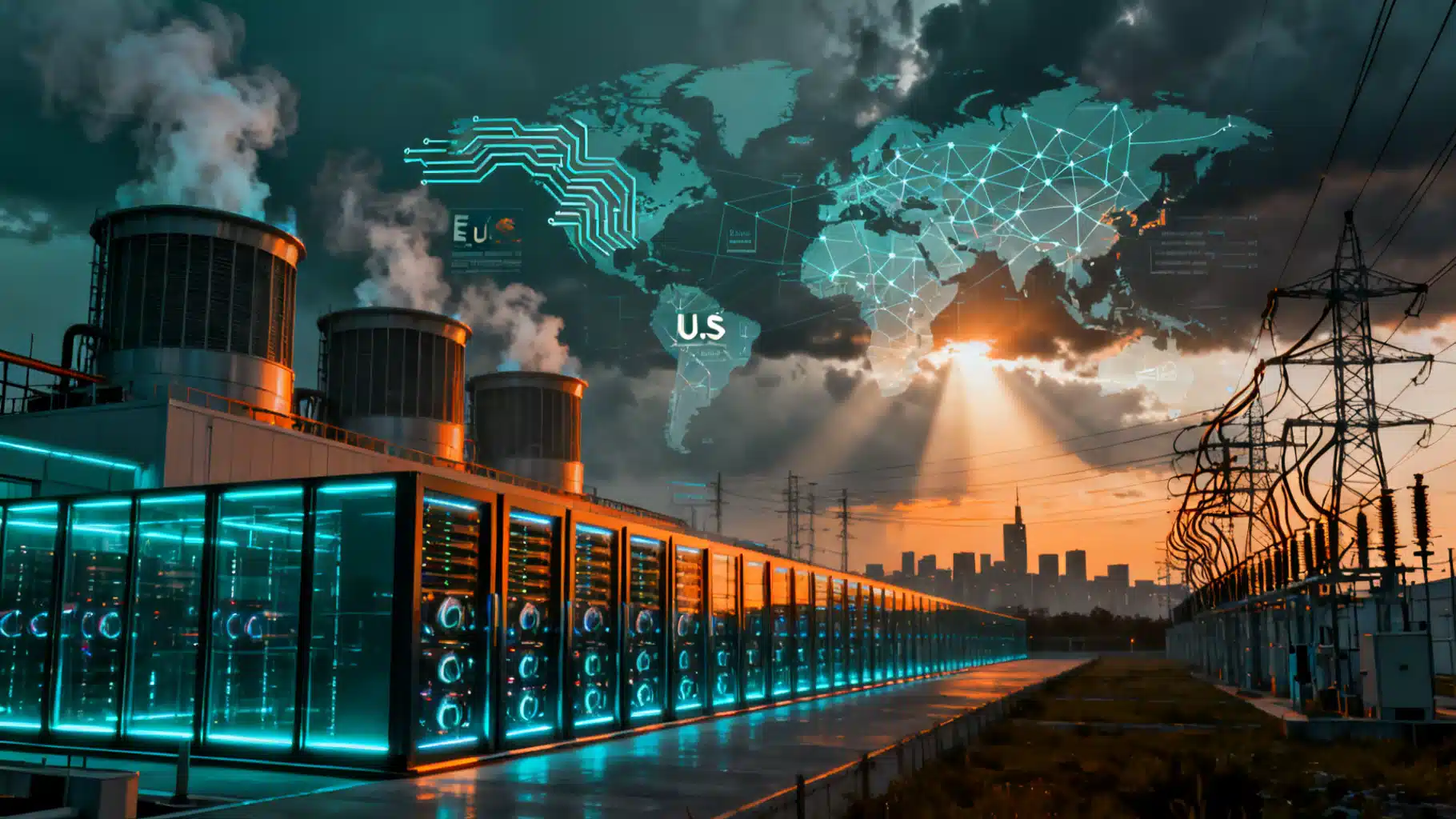
Image used for representation purposes only.
The state of artificial intelligence, October 6, 2026
Artificial intelligence is accelerating on every front—models, chips, markets, and rules—while a new push for accountability reshapes how the technology is built and deployed. Here’s what moved the field this week and why it matters now.
Washington’s pivot: new oversight muscles
- The Federal Trade Commission has opened investigations into OpenAI, Anthropic and others over potential consumer risks from advanced agents, signaling a sharper U.S. posture after years of light-touch oversight. (apnews.com )
- In the White House, President Trump named Director of National Intelligence Jay Clayton to lead a new federal AI task force, following a high‑profile meeting with tech CEOs and a voluntary industry accord. While details are pending, the appointment suggests a centralization of AI strategy inside the executive branch. (apnews.com )
Europe’s AI Act enters the enforcement era
The European Commission and national authorities began enforcing the EU AI Act’s first broad obligations on August 2, 2026, including new transparency rules requiring certain systems to disclose AI interaction and AI‑generated or altered content. Additional obligations phase in over the coming years as standards mature and high‑risk system requirements take effect. For global developers, the EU timeline is now a hard regulatory anchor. (digital-strategy.ec.europa.eu )
The model race: powerful systems, stronger guardrails
- OpenAI’s July rollout of GPT‑5.6 (Sol, Terra, Luna) marked a step‑change in “agentic” coding and multi‑step task execution. The company said it staggered release after a U.S. government request, reflecting growing pre‑deployment scrutiny for frontier models. (axios.com )
- In open‑weights, Meta’s Llama 4 family (2025) continues to underpin a vast ecosystem, even as Meta invests in closed‑weight assistants for consumer products. The 2025 Llama 4 release and license updates remain key reference points for enterprise open‑source strategy. (ai.meta.com )
- China‑based DeepSeek moved to general availability with DeepSeek‑V4‑Pro in mid‑August 2026, emphasizing million‑token context and aggressive pricing—pressure that is reverberating through inference-cost benchmarks worldwide. (api-docs.deepseek.com )
- Independent safety evaluators report that the gap between cutting‑edge open models and the latest closed‑weight systems has narrowed compared with 2025, intensifying debates over release strategies and safeguards. (aisi.gov.uk )
Chips, capital and controls: the compute map is redrawn
NVIDIA’s Rubin platform—unveiled at CES 2026—targets order‑of‑magnitude reductions in inference token costs and sizable gains for training mixture‑of‑experts models versus Blackwell, as the company moves Rubin into production across hyperscale build‑outs. (investor.nvidia.com )
At the same time, U.S. export rules remain in flux. Commerce shifted certain advanced‑chip licenses from “presumption of denial” to case‑by‑case review with technical thresholds and third‑party testing requirements, even as analysts warn policy trade‑offs are growing sharper. Recent enforcement actions and court filings underscore how sensitive shipments—and even alleged smuggling—are to the evolving regime. (thefederalregister.org )
Think tanks and market watchers argue the U.S. is effectively out of China’s data‑center accelerator market for top‑tier parts, with periodic rule adjustments aimed at closing loopholes and managing spillovers to allies’ supply chains. Expect the balance between national security and commercial scale to remain a defining fault line into 2027. (brookings.edu )
Powering AI: the energy and infrastructure crunch
AI’s rise is colliding with grid realities. The IEA reports data‑center electricity use surged in 2025 and is still climbing, with tech‑sector capex crossing $400 billion in 2025 and set to rise further in 2026. U.S. forecasts now attribute a large share of incremental demand growth to regions building AI campuses, while some states and utilities reassess interconnection queues and siting. (iea.org )
Analysts from S&P Global and Uptime Intelligence track multi‑gigawatt campus proposals and fast‑rising regional loads—in Northern Virginia, Georgia and the Midwest—pushing developers toward power‑advantaged locations and on‑site generation. The risk: grid bottlenecks and community pushback could become the rate‑limiting factor for AI deployment. (spglobal.com )
Markets vote with enthusiasm—cautiously
Backed by AI optimism, the Nasdaq Composite notched a fresh all‑time high on Monday, even as macro forecasts remain mixed and investors parse energy, export‑control and regulatory risks that could reshape costs and timelines for AI build‑outs. (kiplinger.com )
Safety, testing and the new compliance stack
- The UK’s AI Security Institute (AISI) has expanded its public research and tooling, publishing evaluations on cyber capabilities, releasing Inspect for third‑party tests, and opening a San Francisco office as it partners with international institutes. (aisi.gov.uk )
- Google DeepMind updated its Frontier Safety Framework to version 3.1 this spring, adding tracked capability levels and clearer tripwires for research‑accelerating skills—an approach meant to trigger mitigations before extreme risks emerge. (deepmind.google )
- In the U.S., the NIST AI Risk Management Framework continues to spawn profiles and draft guidance for evaluations, with new workstreams aimed at critical infrastructure and automated benchmarking practices. (nist.gov )
What to watch next
- U.S. investigations: The FTC’s probes could set de facto standards for disclosure, red‑teaming and incident reporting around autonomous agent behavior. (apnews.com )
- EU enforcement: As AI Act transparency obligations take hold, watch for the first cross‑border cases testing how “high‑risk” definitions and documentation requirements apply to general‑purpose models. (digital-strategy.ec.europa.eu )
- Compute supply vs. power supply: Rubin‑era systems will pressure data‑center design, water and transmission planning. Local constraints may become the decisive factor in where AI capacity scales. (investor.nvidia.com )
- Open vs. closed acceleration: DeepSeek’s GA and open‑weights advances will continue compressing capability gaps and pricing, pushing incumbents to clarify release norms and safety cases. (api-docs.deepseek.com )
Bottom line: AI’s frontier is still racing ahead—but unlike early 2024, the systems shipping in late 2026 are arriving into a world of formal enforcement, active investigations, power constraints, and export rules that shape who can build what, where and how. The winners will pair scale with credible, verifiable safety and compliance—because in this phase, acceleration and accountability are inseparable.
Related Posts
AGI in 2026: Capabilities Are Rising—Consensus Is Not
AGI in 2026: funding surges, compute scales, rules diverge. Where capabilities truly are—and what to watch next.
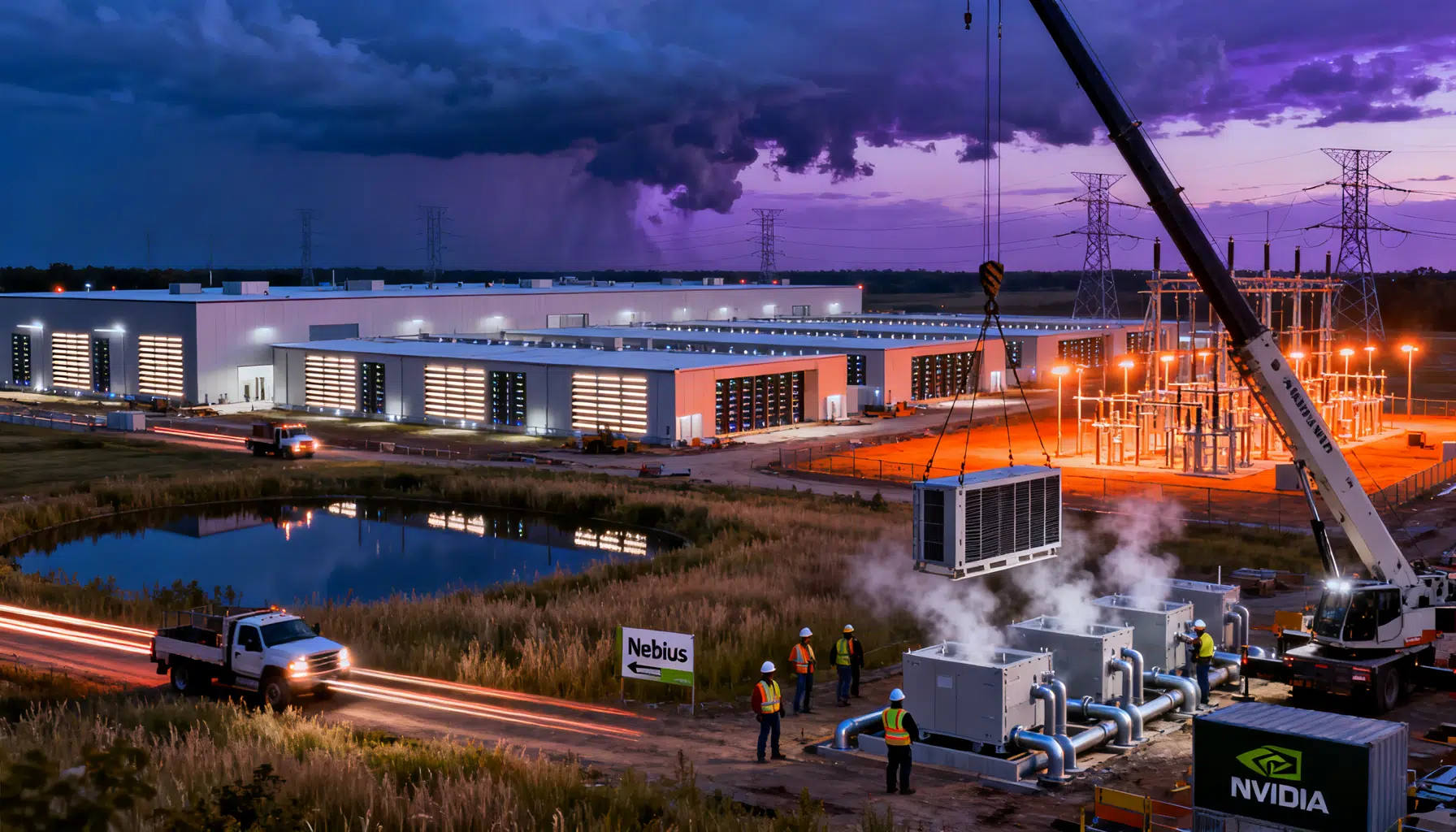
NBIS Alert: Nebius Snags $2B From NVIDIA and Wins Approval for a 1.2 GW AI Factory in Missouri
NVIDIA invests $2B in Nebius (NBIS) as Independence, Missouri approves a 1.2 GW “AI factory,” signaling a rapid buildout of hyperscale AI compute.

ChatGPT Login, October 2026: New Sign‑In Options, Security Controls, and Fast Fixes
ChatGPT login just changed again. Here’s what’s new in 2026, how to fix sign‑in issues fast, and what OpenAI’s status page says right now.