
Roku and TCL sued over allegedly defective updates that ‘bricked’ smart TVs
Roku and TCL face a new U.S. class action alleging defective software updates bricked smart TVs. Filed March 27, 2026; companies dispute the claims.
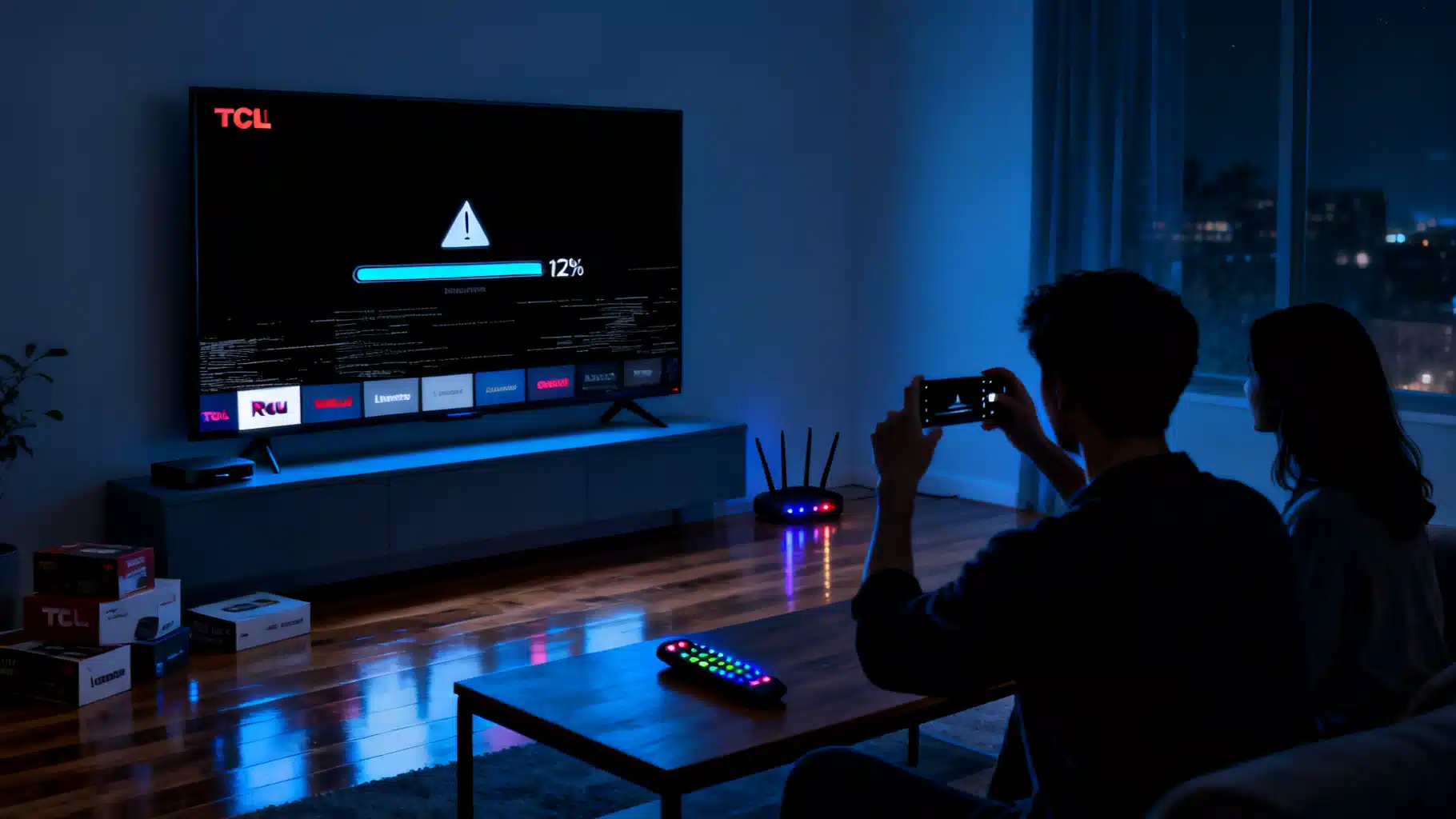
Image used for representation purposes only.
What’s new
Roku and TCL have been hit with a proposed U.S. class action alleging that recent software updates “bricked” smart TVs—leaving owners with frozen boot screens, black displays, repeated restarts, or sets that won’t power on at all. Coverage of the filing picked up steam this week as consumer reports resurfaced and the companies responded. (tomsguide.com )
The case at a glance
The lawsuit, Terri Else v. Roku, Inc. and TTE Technology, Inc. (doing business as TCL North America), was filed on March 27, 2026, in the U.S. District Court for the Central District of California (Case No. 8:26-cv-00748). The complaint names Roku and TCL as defendants and seeks a jury trial. (classaction.org )
What the complaint alleges
Plaintiff claims that official Roku OS updates—delivered automatically over the air—have been “repetitively defective,” corrupting core TV functions and triggering failures including black/blank screens, boot loops, freezing on the logo, or complete inoperability. The filing points to issues following Roku OS 11.x and Roku OS 14 updates and cites user reports describing identical failures immediately after updates. (classaction.org )
The complaint further argues that consumers were told updates would enhance performance and long‑term reliability, yet were instead left to attempt factory resets and recovery procedures with little success. Counts include breach of express and implied warranties, violations of California’s Unfair Competition Law and Consumers Legal Remedies Act, and related equitable claims. (classaction.org )
Which TVs are named—and who could be covered
According to the filing, the models “at issue” include Roku’s Select Series and Plus Series televisions and TCL’s 3‑, 4‑, 5‑, and 6‑Series TVs that run Roku OS. The proposed nationwide and California classes cover consumers who purchased these Roku‑powered products from December 16, 2024, to the present. Class certification has not yet been decided. (classaction.org )
What Roku and TCL say
Asked for comment, Roku told Tom’s Guide it believes “the claims are meritless.” TCL declined to comment. Neither company has filed a response in court as of press time. (tomsguide.com )
Why this matters beyond one brand
Smart TVs increasingly depend on frequent firmware and OS updates for apps, features, and security. When those updates go wrong, a failure can disable the entire device, not just a feature. Industry coverage notes the suit spotlights the risks of software-led TV ecosystems that push rapid updates across millions of sets. (techspot.com )
The legal stakes
The lawsuit seeks classwide damages, restitution, and injunctive relief that could force changes to update and disclosure practices. Requested relief includes monetary compensation and orders curbing allegedly misleading advertising about software reliability and long‑term support. At this early stage, the court has not ruled on the merits. (classaction.org )
What affected owners can do now
While the case progresses, owners who experienced post‑update failures can consider the following steps:
- Document the issue with photos/video (for example, audio playing with a black screen) and note any on‑screen error or build number.
- Collect purchase records and serial numbers.
- Open support tickets with the manufacturer and platform provider to create a paper trail.
- Avoid unofficial firmware; follow official recovery steps only.
- Watch for case updates in the Central District of California docket.
What happens next
In the coming weeks, expect procedural steps typical of class actions: service and appearances by defendants, motions to dismiss or transfer, and eventually a motion for class certification and discovery if the case advances. Because the filing landed on March 27, 2026, meaningful court activity will likely unfold over the next several months. We’ll update this story as Roku, TCL, or the court issues new filings or statements. (classaction.org )
Key timeline
- March 27, 2026: Complaint filed in the Central District of California (8:26‑cv‑00748). (classaction.org )
- May 3–6, 2026: Coverage by consumer‑tech outlets brings wider attention; Roku says the claims are meritless; TCL declines to comment. (cordcuttersnews.com )
The bottom line
The suit claims that “improvement” updates did the opposite for some Roku‑powered TVs, allegedly rendering them unusable well before the end of a normal lifespan. Roku disputes the allegations. The court will determine whether the claims are certified for class treatment and whether the evidence supports liability or relief. For now, consumers should document any failures and monitor the case as it moves through early stages in federal court. (classaction.org )
Related Posts
Amazon sued over ‘bricked’ Fire TV Sticks: What the April 2026 class action means for consumers
New class action alleges Amazon ‘bricked’ older Fire TV Sticks by ending software support. What the April 2026 case claims and what owners should know.
T‑Mobile $200 Gift Card Lawsuit: March 2026 Update and What It Means for Customers
As of March 6, 2026: Where the T‑Mobile $200 gift card class action stands, who could be affected, and how it fits into broader marketing scrutiny.
Sony’s $7.85M PlayStation Store Settlement: Eligibility, Payouts, and Key Dates
Sony’s $7.85M PlayStation Store settlement gets preliminary approval: who qualifies, how PSN credits work, and the key dates to opt out or object.