Gemini Intelligence hardware requirements: the new floor for AI‑ready Android
Google sets a high bar for Gemini Intelligence on Android: 12GB RAM, flagship SoC, AICore + Gemini Nano v3, AVF/pKVM, and long support. What it means now.
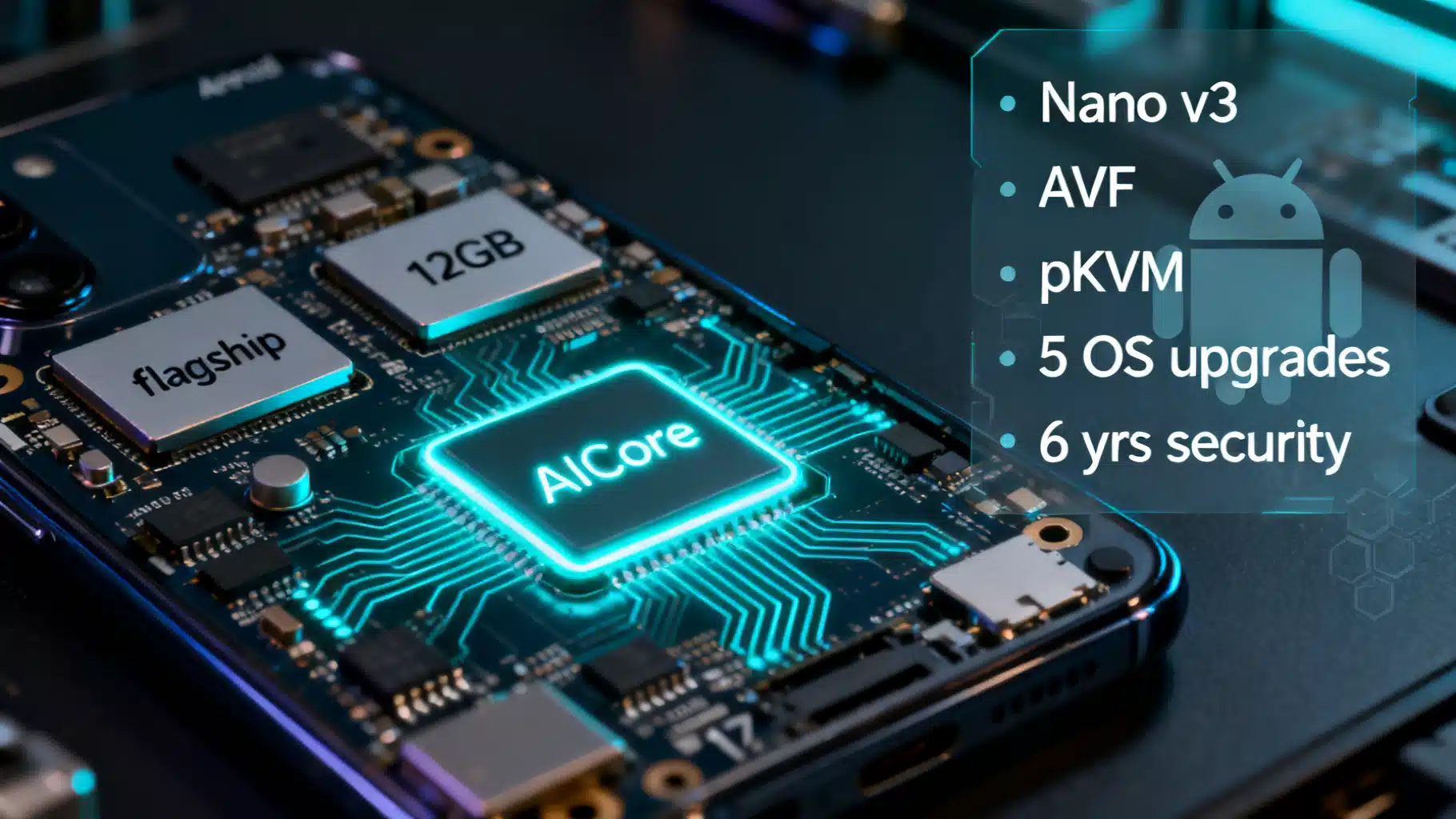
Image used for representation purposes only.
Google’s new baseline for on‑device AI just arrived — and it’s steep
Dateline: May 19, 2026 — Google has quietly published the first formal baseline for “Gemini Intelligence,” its next‑wave, on‑device AI experience for Android. Buried in a footnote on the official Android landing page is a checklist that effectively limits the feature to only the latest, highest‑end hardware — at least at launch. (android.com )
The official minimums at a glance
Google’s page spells out eight pillars a device must meet to qualify for Gemini Intelligence. Paraphrased for clarity:
- On‑device AI: Must integrate Android’s AICore service and support Gemini Nano v3 or newer. (android.com )
- Performance features: Up‑to‑date media capabilities (spatial audio, improved low‑light/HDR), plus annual gaming graphics interface and driver updates. (android.com )
- Memory: At least 12 GB of RAM. (android.com )
- SoC: A “qualified” flagship‑tier chip. (android.com )
- Quality in the field: Meet service‑level objectives (like low crash rates) through 2026, with stricter enforcement in 2027. (android.com )
- Quality at launch: Pass an Android 17+ test suite. (android.com )
- OS and security longevity: Commit to 5 Android OS upgrades and 6 years of quarterly security updates. (android.com )
- Security architecture: Support Android Virtualization Framework (AVF) and protected KVM (pKVM). (android.com )
Google also flags that Gemini Intelligence is “coming soon” beyond phones — to watches, laptops, and cars — and that features will vary by region and language. (android.com )
Why these requirements are so high
- On‑device model execution: Gemini Nano runs locally via Android’s AICore system service, which is engineered for low‑latency inference and continuous model updates. That design both demands and benefits from modern NPUs/TPUs inside flagship SoCs. (developer.android.com )
- Security isolation: AVF and pKVM create hardened, privacy‑preserving execution environments — a logical prerequisite when sensitive user context flows through an on‑device AI. (source.android.com )
- Stability and longevity: By tying eligibility to 5 OS upgrades, 6 years of security patches, and concrete quality metrics, Google is using Gemini Intelligence to nudge OEMs toward long‑term support and tighter software discipline. (android.com )
What this means for your current Android phone
Early reporting underscores how exclusive the bar is right now: devices will need 12 GB of RAM, a flagship SoC, AICore, and specifically Gemini Nano v3 support — a combination many recent flagships still lack. In practice, that means only select late‑2025 and 2026 top‑tier phones appear on the early compatibility radar. Expect expansion over time, but don’t assume near‑term eligibility just because your phone is “high‑end.” (androidauthority.com )
It’s also worth separating the “Gemini app” (which runs broadly across Android, even on older hardware) from “Gemini Intelligence,” which is a deeper, on‑device experience bound by the new hardware and platform rules. The former has modest device requirements; the latter requires the full checklist above. (support.google.com )
The storage side‑effect: AICore can be big
If you’ve noticed AICore eating gigabytes of space, Google has explained that the service sometimes holds two model copies briefly during updates to enable quick rollback — a trade‑off for reliability while these models evolve. It’s normal behavior and typically temporary. (androidcentral.com )
Beyond phones: “Googlebook” and the broader hardware push
Google is also seeding a new AI‑first PC category called “Googlebook,” with chip partners spanning Intel, Qualcomm, and MediaTek. While Google hasn’t published a formal laptop spec for Gemini Intelligence yet, the company’s messaging suggests these machines will be built around the same principles: strong NPUs, modern media pipelines, and long‑term update guarantees. Watch this space as OEM designs and official requirements land. (tomshardware.com )
Developer angle: how apps will tap on‑device Gemini
For developers, Google has already opened up experimental access to Gemini Nano via the AI Edge SDK and AICore, paving the way for third‑party apps to lean on local inference for features like summarization, image descriptions, and smart replies — assuming the device meets the Nano v3 era requirements. This is the path that turns the new hardware baseline into tangible app capabilities across the ecosystem. (android-developers.googleblog.com )
The bottom line
- Gemini Intelligence sets a new floor for “AI‑ready” Android: flagship SoC, 12 GB RAM, AICore + Gemini Nano v3, AVF/pKVM, and long‑term software support. (android.com )
- Near‑term compatibility will be limited to the very latest premium phones, with gradual expansion possible as more devices adopt Nano v3 and meet Google’s quality gates. (androidauthority.com )
- Expect similar AI‑first criteria to define upcoming watches, laptops, and cars as Google rolls Gemini Intelligence across categories. (android.com )
How to prepare (users and IT)
- Buying soon? Check for: 12 GB RAM or more, a current‑gen flagship SoC, explicit support for AICore and Gemini Nano v3, and OEM commitments to 5 OS upgrades and 6 years of quarterly security updates. (android.com )
- Already own a high‑end device? Watch OEM software roadmaps for Nano v3 support and AICore updates — eligibility hinges on both hardware and firmware. (androidauthority.com )
- Enterprise planning: Align device fleets to AVF/pKVM‑capable hardware and long‑term support SKUs if you intend to deploy on‑device AI features at scale. (source.android.com )
As of today (May 19, 2026), Google’s own page is the single source of truth for the baseline — and it’s crystal clear: Gemini Intelligence is built for the newest, most capable Android hardware, with security and longevity as non‑negotiables. (android.com )
Related Posts
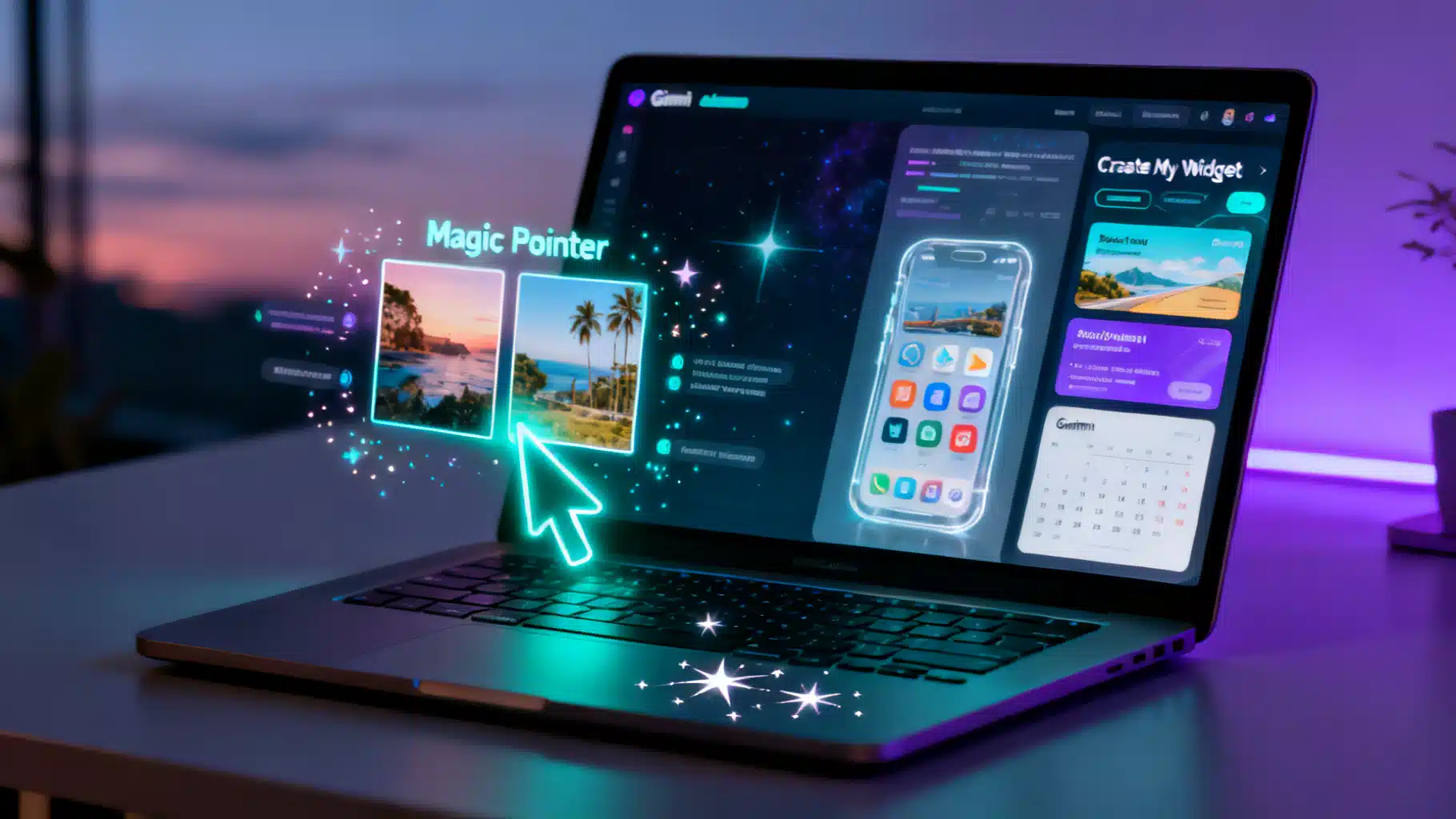
Googlebook Unveiled: Gemini Intelligence Laptops Set to Succeed Chromebooks This Fall
Google unveils Googlebook: Gemini-first laptops with Magic Pointer, deep phone continuity, and broad OEM support, shipping in fall 2026.
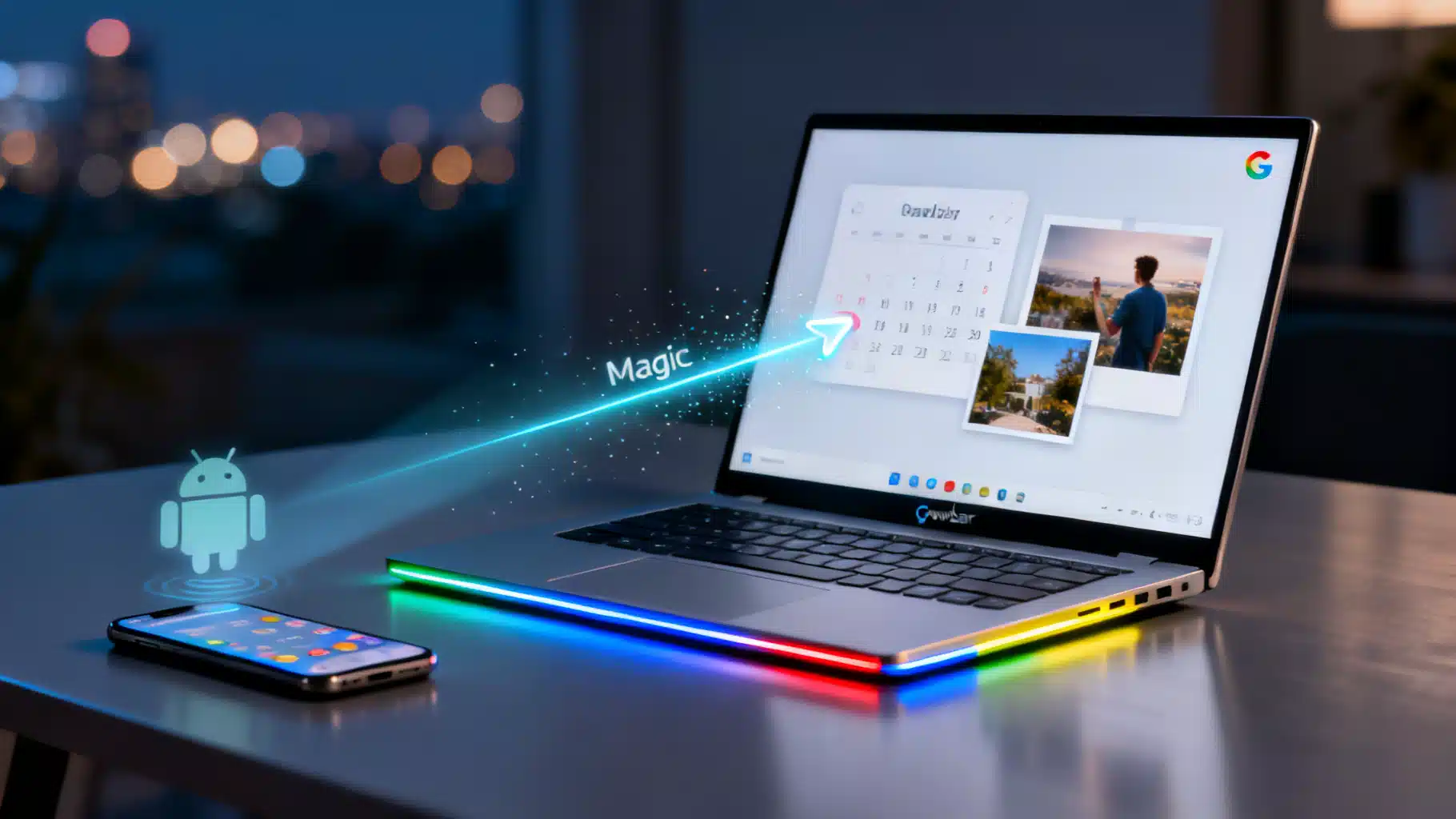
Googlebook debuts: Google’s AI-first laptop platform lands this fall
Google unveils Googlebook, an AI-first laptop platform built around Gemini with Magic Pointer, phone app casting, and a glowbar, launching fall 2026.
Google’s April 2026: Gemini alliances, tougher rules, a search reset, and I/O on deck
Google’s April 2026: Apple’s Gemini deal, U.S. antitrust remedies, EU DMA pressure, a fresh core update, Android 17 betas, Chrome DBSC, and a $20B bond tap.